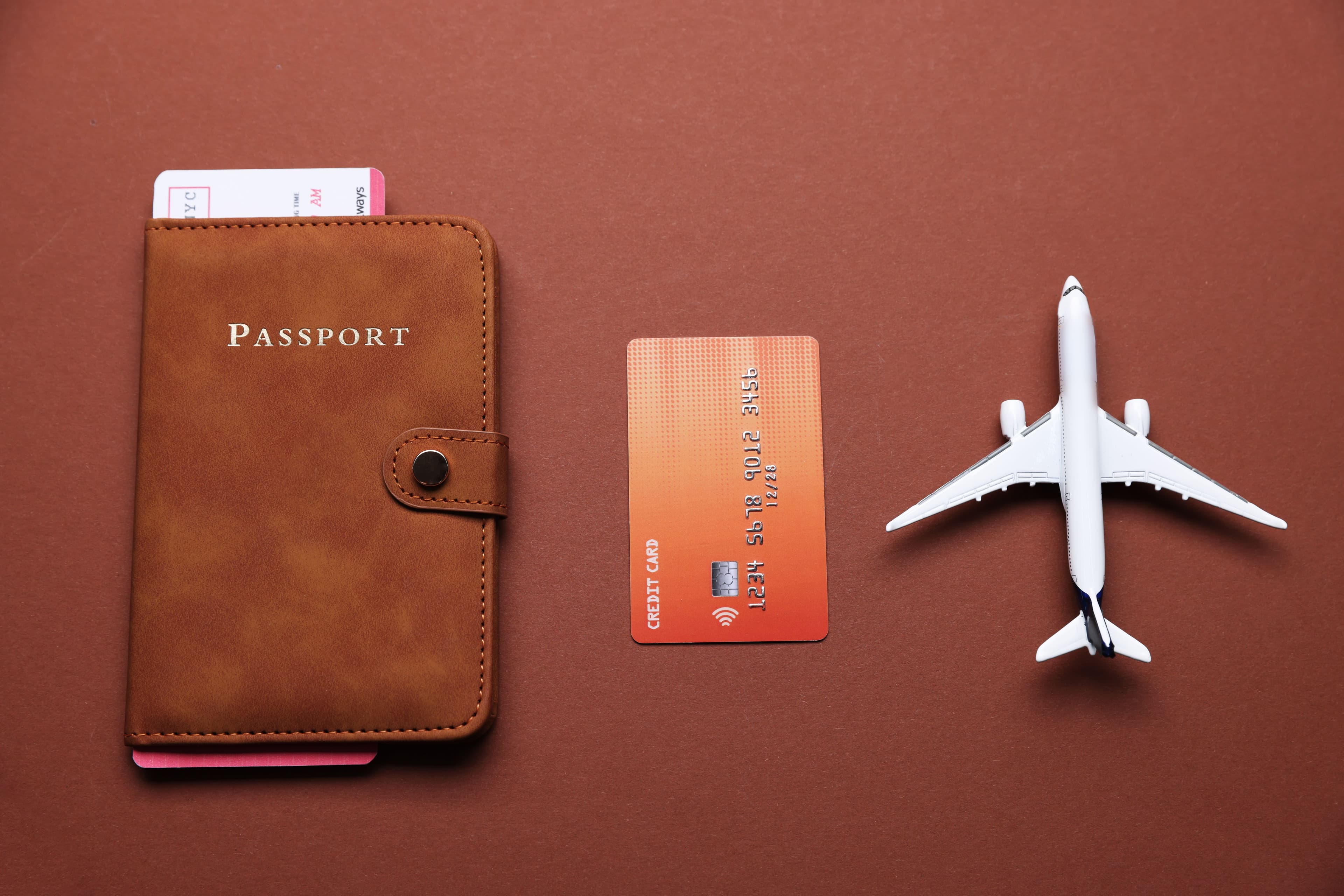
Travel credit cards can be game-changers for your adventures – from scoring free flights to enjoying VIP airport lounges. But with so many options out there, which one is right for you? In this post, we break down the best travel credit cards of 2025 for various needs. Whether you’re a luxury jet-setter, a newbie looking for simple rewards, a small business owner, or anything in between, we’ve got you covered. We’ll highlight top cards in categories like luxury perks, no annual fee, beginners, airline rewards, hotel rewards, small business travel, and flexible points. For each, you’ll find the annual fee, sign-up bonus, rewards, key perks, and an ideal user profile – plus real-world examples of how to make the most of those features. (All dollar amounts are in USD. Remember to always consider your own spending habits and travel goals when choosing a card.)
Let’s dive into the best travel cards of 2025 and see how they can help you travel smarter and cheaper!
Best for Luxury Travelers: The Platinum Card® from American Express
If you love to travel in luxury and style, the Amex Platinum Card is the gold standard (or should we say platinum standard). This card turns airports and hotels into your personal VIP lounges. Imagine breezing through security with TSA PreCheck, relaxing in a swanky Centurion Lounge during a layover, and then using Uber credits to get from the airport to your 5-star hotel – that’s the Platinum experience. This card is packed with high-end perks that can easily offset its hefty annual fee for frequent travelers. For example, you get up to $200 in Uber credits each year (doled out monthly) – great for covering rides or Uber Eats on your trips. You also enjoy a $200 hotel credit for Fine Hotels & Resorts bookings, extensive airport lounge access (including Amex Centurion Lounges, Delta Sky Clubs when flying Delta, Priority Pass, and more), and credits for streaming, Walmart+, CLEAR, and even Saks Fifth Avenue. In short, if you practically live in airports or value first-class perks, this card can make every trip a lot more comfortable (and fun!).
Card Highlights:
- Annual Fee: $695 (premium price, but loaded with credits to offset it).
- Welcome Offer: ~80,000 Membership Rewards points after spending $8,000 in 6 months. That’s a huge pile of points – worth around $800–$1,600 in travel depending on how you redeem.
- Rewards: 5X Membership Rewards points on flights booked directly with airlines or via Amex Travel (on up to $500,000 per year) and 5X on prepaid hotels booked through Amex Travel. All other purchases earn 1X point. This means big travel purchases rack up points fast – e.g. a $500 flight would net 2,500 points.
- Notable Perks: Unmatched airport lounge access (Centurion Lounge network + Priority Pass, Delta Sky Club when flying Delta, and more), up to $200 Uber Cash per year (that’s $15/month plus a $20 bonus in December), $200 annual hotel credit for Fine Hotels & Resorts, $240 digital entertainment credits, $100 Global Entry/TSA PreCheck fee credit, $155 Walmart+ credit, $300 Equinox credit, $100 Saks credit (among others). The card also offers strong travel protections (trip delay/cancellation insurance, baggage insurance, rental car coverage) – giving peace of mind on those expensive trips.
- Ideal User: The Platinum Card is ideal for the frequent traveler who values luxury and convenience. For example, if you take multiple flights a year and relish airport lounges, or you can use the plethora of credits (rideshares, hotels, streaming, etc.), this card can actually save you money while pampering you. Real-world example: A cross-country flyer with a couple of long layovers could easily get $50–$100 worth of free food and drinks in Centurion Lounges in one trip. Add the $15/month Uber credit to get to the airport and you’ve already recouped a chunk of the fee. In short, high rollers and frequent flyers who want top-tier perks will find the Amex Platinum hard to beat.
Best for No Annual Fee: Bank of America® Travel Rewards Credit Card
Looking for travel rewards without an annual fee? The Bank of America Travel Rewards card is a fan-favorite for beginners and occasional travelers who want simple, flexible rewards at no cost. This is a straightforward, “no gotchas” travel card: you earn 1.5 points per dollar on everything you buy, and you can redeem those points for credit against any travel purchase – flights, hotels, rental cars, you name it. No annual fee, no foreign transaction fees, and even a 0% intro APR period to boot. It’s as easy as it gets. For example, if you spend about $1,000 a month on this card, you’d rack up 18,000 points in a year – that’s ~$180 you can apply to your next flight or hotel stay. All without paying a fee for the card. This simplicity and flexibility make it great for the casual traveler or someone just dipping their toes into travel rewards.
Card Highlights:
- Annual Fee: $0 – completely free to carry. This is a big deal, as many travel cards charge $95 or more. Here, every reward you earn is pure gain.
- Sign-Up Bonus: 25,000 points after you spend $1,000 in the first 90 days. That’s worth $250 as a statement credit toward travel purchases. In other words, hit the spending requirement and you can wipe $250 off your next vacation bill – a fantastic bonus for a no-fee card.
- Rewards: 1.5X points on all purchases, unlimited. No need to juggle bonus categories; every dollar spent automatically earns travel points. Points are worth $0.01 each when redeemed for travel, so 1.5X is like getting 1.5% back toward travel. (Tip: If you’re a Bank of America Preferred Rewards client with sizable assets at BofA or Merrill, you can get 25%–75% bonus points on every purchase – effectively up to 2.625X points per $1!).
- Notable Perks: Besides the solid rewards, the card has no foreign transaction fees, making it friendly for international travel. It also offers 15 billing cycles of 0% intro APR on purchases (handy if you need to finance a big trip and pay it off over time). While it lacks luxury perks, it does come with travel protections like car rental insurance and no blackout dates on using points (since you just book normally and erase the charge with points). Simplicity is the key perk here.
- Ideal User: Perfect for the infrequent or budget-conscious traveler who wants to earn free travel but doesn’t want to commit to an annual fee. It’s also great as a starting travel card – you can learn the ropes of points without any cost. Example: A casual traveler might use this card for everyday spending, then redeem points to cover a $150 hotel bill on their summer road trip. With no fee eating into those rewards, that $150 saved is truly $150 saved. If you travel abroad occasionally, the lack of foreign fees means you won’t be hit with the typical 3% surcharge on purchases in, say, Europe – a nice plus for a no-fee card. Overall, the Bank of America Travel Rewards is easy, breezy, and rewarding – a great first step into travel hacking.
Best for Beginners: Chase Sapphire Preferred® Card
When it comes to a well-rounded travel card for beginners, the Chase Sapphire Preferred (CSP) reigns supreme. It’s often the first serious travel card in people’s wallets for good reason. With a moderate annual fee, huge sign-up bonus, flexible points, and solid travel perks, it hits the sweet spot for an average American traveler starting to up their travel game. Think of the Sapphire Preferred as your ticket to the world of points: the rewards are easy to earn on everyday spending (like dining and streaming services), and even easier to use. You can redeem points through Chase’s travel portal for a bonus value, or transfer them to a dozen airline and hotel partners for potentially outsized value – flexibility that beginners love. For example, those points can become a free flight on Southwest or United, or free nights at a Hyatt hotel. Plus, the card packs travel insurance protections usually seen on more premium cards, giving newbies peace of mind on their trips. If you’re just starting out, the Sapphire Preferred can single-handedly turn your everyday spending into your next vacation.
Card Highlights:
- Annual Fee: $95. A reasonable fee given the value it provides (and one you can easily recoup with just one or two reward redemptions).
- Sign-Up Bonus: 100,000 Chase Ultimate Rewards points after spending $5,000 in the first 3 months (limited-time offer as of 2025). This all-time-high bonus is massive – worth $1,250 in travel if redeemed through Chase’s travel site (thanks to points being worth 25% more). To put that in perspective, 100k points could fund a round-trip flight to Europe or several domestic flights. Even at the standard bonus (often 60k points), it’s a fantastic head start.
- Rewards: Generous bonus categories for a $95 card. Earn 5X points per $1 on travel booked through the Chase Travel portal, 3X on dining (including takeout and eligible delivery) and 3X on streaming services and online groceries, 2X on other travel purchases, and 1X on everything else. In short, your food, Netflix, airfare, hotels, and even Uber rides all earn extra. These points add up fast for a beginner. (There’s also an annual $50 credit on hotel bookings through Chase Travel and a 10% anniversary points bonus on the past year’s spend – nice little extras.)
- Notable Perks: The Sapphire Preferred punches above its weight with travel protections. You get trip cancellation/interruption insurance, primary rental car collision damage waiver, trip delay reimbursement, baggage delay insurance, and more – uncommon for a mid-tier card. It also has no foreign transaction fees, so travel abroad freely. Points are super flexible: use them for a travel statement credit, book through Chase for a 1.25× value boost, or transfer to major loyalty programs (United, Southwest, JetBlue, Marriott, Hyatt, etc.) at 1:1. This flexibility is a beginner’s dream; you’re not locked into one airline or hotel. Plus, the card now offers free DashPass membership (for food delivery perks) and other partner benefits that add value.
- Ideal User: Travel newbies and points beginners who want one card that does it all. If you’re just starting to travel more or venture into rewards, the CSP’s combination of easy earning and versatile redemption is perfect. Example: Let’s say you spend $1,000 a month on a mix of dining, groceries, and general expenses – you could earn around 20,000 points in six months without breaking a sweat. That’s enough for $250 toward airfare via Chase, or you could transfer 18k points to Hyatt for a free night at a luxury hotel that might cost $400 cash – an amazing deal for a first-timer. Meanwhile, you have peace of mind knowing your trip is insured if something goes awry. The Sapphire Preferred is often recommended as the first travel credit card because it provides max flexibility, strong rewards, and a taste of premium perks without a huge commitment. It’s the ideal travel companion for someone ready to move beyond their basic cash-back card and start seeing the world on points.
Best for Airline Rewards: Delta SkyMiles® Gold American Express Card
If you’re loyal to (or frequently fly with) a particular airline, a co-branded airline credit card can be incredibly rewarding. For many Americans, Delta Air Lines is a top choice for both domestic and international travel – and the Delta SkyMiles Gold Amex is a standout pick for casual Delta flyers. This card basically says, “Hey, let’s make your Delta trip cheaper and more comfortable.” How? First, checked bags fly free – for you and up to eight travel companions on the same reservation. That perk alone can save you hundreds: imagine a family of four on a round-trip – that’s 4 bags x $60 (Delta’s typical round-trip baggage fee) = $240 saved on baggage in one go! No more cramming everything into a carry-on! You also get priority boarding, so you can settle in earlier and find overhead bin space. The card earns Delta miles not just on Delta flights but on everyday spending like dining and groceries, which is rare for an airline card. And those miles can be redeemed for free flights (or upgrades) on Delta and its many partner airlines. The Delta Gold card comes with an intro annual fee $0 for the first year, making it quite tempting to try out. It’s essentially the go-to card for the occasional Delta traveler who wants to enhance their flying experience and earn free flights over time.
Card Highlights:
- Annual Fee: $0 intro for the first year, then $99/year thereafter. This “try-before-you-buy” approach lets you test the card’s value for 12 months without paying a fee, which is great. By year two, if you take just one round-trip flight with a companion and both check a bag, you’ve likely saved more than $99 in baggage fees already – so the card easily pays for itself for Delta flyers.
- Welcome Bonus: Typically in the range of 40,000–50,000 SkyMiles after meeting a minimum spend (often around $2,000 in 6 months). Offers can vary, and sometimes limited-time promotions go as high as 70k or more. For context, 50k miles could cover an economy round-trip within the U.S. or a one-way to Europe (depending on Delta’s pricing). It’s a generous jump-start to your SkyMiles balance.
- Rewards: 2X miles on Delta purchases (tickets, in-flight purchases, etc.), 2X miles at restaurants worldwide, 2X at U.S. supermarkets, and 1X on all other spending. This is why it’s great even for occasional travelers – you can earn miles on groceries and dining out, not just when flying. Few airline cards offer bonus miles on everyday categories like this. So even in between trips, your SkyMiles are growing.
- Notable Perks: The signature perk is the Free First Checked Bag on Delta flights for you and up to 8 others on your reservation (saving up to $70 per person on a round-trip). Priority boarding (Main Cabin 1) means you get on the plane earlier, making the travel experience less stressful. You also enjoy a 20% in-flight savings on purchases (like snacks or headphones) when you use the card on Delta flights. There’s no foreign transaction fee, so you can use it abroad. And while it’s not a super premium card, it does offer some travel protections and rental car insurance. Another nice perk: if you spend $10,000 on the card in a calendar year, you earn a $100 Delta flight credit – an incentive for moderate spenders to be rewarded with essentially a free $100 off a flight.
- Ideal User: Frequent Delta flyers or anyone near a Delta hub who travels a few times a year on Delta and wants to save on those trips. It’s particularly family-friendly – a family of four can save ~$240 per trip on bags as noted, which is huge. Example: Suppose you and your spouse take two vacations a year flying Delta. With the Delta Gold card, both of you get free checked bags each time (saved ~$120 per trip), you board early (no fighting for overhead space), and you’ve earned Delta miles on all your dining and grocery shopping in the meantime. After a year, those miles might get you a free flight for your next vacation. The card basically rewards your loyalty to Delta and makes travel easier. If Delta isn’t your airline, most carriers have similar cards (United, American, Southwest, etc.), and the logic is the same: pick the card for the airline you use most. But for many, Delta Gold is the sweet spot with its everyday mileage earning and big travel savings for a modest annual fee.
Best for Hotel Rewards: Marriott Bonvoy Boundless® Credit Card
Do hotel stays excite you as much as the destination? If you’re the type who has a preferred hotel chain or you just love the idea of free nights, a hotel rewards card is your best friend. The Marriott Bonvoy Boundless card from Chase is an excellent choice for the average traveler who enjoys Marriott’s vast network of hotels (30+ brands worldwide, from Fairfield Inn to St. Regis). What makes this $95-annual-fee card a winner is how quickly it pays for itself in hotel rewards. For starters, every year on your card anniversary you get a Free Night Award (worth up to 35,000 points) just for being a cardmember. That free night can easily be worth ~$200–$350 at a nice Marriott property – boom, you’ve already gotten more value than the fee costs! It’s like a built-in mini vacation each year. This card also comes with a hefty welcome bonus (often given as a bunch of free night certificates or points) that can jump-start your stash for multiple free hotel stays. And of course, it accelerates your earning on all Marriott bookings and even everyday spending in certain categories. If you enjoy Marriott hotels or want to start staying for free on trips, the Bonvoy Boundless makes it easy to rack up rewards and even gives you automatic Elite status in Marriott’s program for extra perks during your stays.
Card Highlights:
- Annual Fee: $95. Consider it the “prepay” for a free hotel night every year – because the card’s anniversary free night certificate (worth up to 35,000 Marriott points) can be used at thousands of Marriott hotels and often has a value far above $95. If you redeem it at a fancy resort charging $250 a night, you’ve come out way ahead.
- Sign-Up Bonus: Currently an extremely generous offer: e.g., Earn 3 Free Night Awards (up to 50k points each) after spending $3,000 in 3 months, plus 50,000 bonus points after you spend $6,000 in 6 months. This was a recent offer, illustrating how big the bonuses can be. Three free nights at up to 50k points each could be like 3 nights at a resort that costs $300–400 per night – essentially ~$1,000 in value – plus 50k points extra! Even more typical offers (like 100k points or 5 nights up to 35k each) are still stellar, letting you vacation on Marriott for free within months of getting the card.
- Rewards: 6X points per $1 spent at Marriott Bonvoy hotels – so every time you pay for a Marriott room or room service with this card, you get six points per dollar (on top of the base points you earn as a Marriott member). Also, 3X points per $1 on the first $6,000 spent per year in combined groceries, dining, and gas categories, which aligns nicely with common expenses. Everything else earns 2X points per $1. While Marriott points are valued around ~0.8–1 cent each in NerdWallet’s estimation, these multipliers mean you’re effectively getting ~6-7% back on hotel spending and ~2-3% on grocery, dining, gas – pretty good for travel rewards.
- Notable Perks: Here’s where the hotel-specific goodies come in. Free Night Award every year upon renewal (worth up to 35,000 points) – use it for a weekend getaway or save up points to combine with it for longer stays. The card grants Automatic Silver Elite status in Marriott Bonvoy, which gets you perks like bonus points on stays, late checkout, and free Wi-Fi. And if you’re a heavy spender, you have an accelerated path to Gold Elite (spend $35k on the card in a year). The card also gives 15 Elite Night Credits toward elite status each year (enough for Silver, and a boost if you’re chasing Gold or Platinum by staying more). Additionally, you get travel protections courtesy of Chase: trip delay insurance, baggage loss/delay coverage, purchase protections, etc., and no foreign transaction fees so you can use it at international Marriott hotels freely. Lastly, when redeeming points, Marriott’s program lets you transfer points to airlines (if you ever want to) and even combine a Free Night certificate with points to book a more expensive hotel night – giving you flexibility to get max value.
- Ideal User: Someone who stays in hotels regularly – especially Marriott brands – or plans at least one leisure hotel stay a year. If you travel for work and choose Marriott, this card is a no-brainer to pile on extra points. If you’re a family that does one big vacation each year, that anniversary free night could cover a night during your trip. Example: A couple road-tripping might use the Free Night certificate for a romantic stay at a Marriott resort they’d otherwise hesitate to splurge on. Or a consultant who travels for business could use this card to pay for Marriott stays and quickly rack up points for a free vacation with their spouse later (6X points on all those work trips!). Even if you’re not a “loyalist,” Marriott’s portfolio is so wide that having a stash of Bonvoy points is bound to come in handy – from a Courtyard on a highway stopover to a luxury St. Regis in Bora Bora. The Marriott Bonvoy Boundless card effectively pays you back in free nights and perks far beyond its fee, making it an outstanding choice for those who want to make their hotel stays more rewarding.
Best Small Business Travel Card: Ink Business Preferred® Credit Card
Solo entrepreneurs and small business owners, this one’s for you. Traveling for business (or bleisure – business + leisure) can rack up significant costs, and the Chase Ink Business Preferred is a powerhouse tool to earn rewards on those expenses and protect your purchases. With a modest annual fee and an impressively large sign-up bonus, the Ink Preferred has a reputation as “the one business card to get if you’re into travel rewards.” Why? It offers 3X points on common business categories like travel, shipping, digital advertising, and phone/internet bills – meaning your airline tickets, FedEx bills, Facebook ads, and Verizon bill all earn triple points. These points are the same ultra-flexible Chase Ultimate Rewards points that the Sapphire Preferred/Reserve use, which means they can be transferred to airline and hotel partners or used via Chase’s portal with a value boost. The card also includes perks especially valuable to business folks, like cell phone insurance (very handy for entrepreneurs who rely on their phone!) and high travel coverage limits. Essentially, the Ink Business Preferred lets a small business owner earn travel rewards like a boss – turning work expenses into free personal (or work) trips.
Card Highlights:
- Annual Fee: $95 – a small investment for what you get in return. There are no free business travel cards as powerful as this, so $95 is widely considered worth it. And yes, no foreign transaction fees either, in case your business (or conferences) take you abroad.
- Sign-Up Bonus: 90,000 Ultimate Rewards points after spending $8,000 in the first 3 months. That’s worth $900 cash or $1,125 in travel if you redeem through Chase’s portal (points get a 25% boost). It’s one of the biggest bonuses on any business card – a huge windfall for a small biz. To put 90k points in perspective: that could be 3 round-trip domestic flights or one very nice international business class one-way when transferred to an airline partner. (Occasionally, the offer has been as high as 100k; either way, it’s huge.)
- Rewards: 3X points per $1 on the first $150,000 per year spent in combined travel, shipping, internet/cable/phone services, and online advertising categories. This is tailored to where businesses spend most. Travel includes flights, hotels, rental cars, tolls, etc., so your work trips triple-dip. Advertising on Facebook/Google – triple. Mailing products to customers – triple. And your office phone and internet bills – yep, triple. All other spending earns 1X. Importantly, 3X on travel makes this card as good as many premium cards for booking airfare or hotels for your business trips. And unlike some personal cards, you’re not required to book through a special portal to get 3X – you can book directly with airlines or any site and still earn triple.
- Notable Perks: The Ink Preferred is beloved not just for rewards but for its protections and extras. You get cell phone protection – up to $600 per claim in phone damage or theft reimbursement (with a $100 deductible) if you pay your phone bill with the card, up to 3 claims per year. This is huge for entrepreneurs who can’t afford to be without their phone (essentially insurance without paying extra for it). You also enjoy robust travel insurance: trip cancellation/interruption coverage up to $5,000 per trip, trip delay coverage, primary car rental insurance (when renting for business purposes), baggage delay, etc. Purchases are covered with extended warranty and purchase protection against damage/theft. Another perk: when redeeming points, you get a 25% bonus value through Chase’s travel portal (same as Sapphire Preferred), so your points stretch further if you don’t transfer to airlines. And speaking of transferring: because these are Ultimate Rewards points, you can combine them with points from your personal Chase cards if you have any, and transfer to 10+ airline/hotel programs – giving small business owners access to advanced redemption strategies (like transferring to United or Hyatt for high-value awards). It’s worth noting the Ink Preferred allows adding employee cards at no extra cost, so you can have your team rack up points too.
- Ideal User: Small business owners or freelancers who have significant spend in the bonus categories or travel occasionally for work (or plan to travel more for fun, using points). It’s especially good for someone who wants to consolidate their spending on one card and reap a ton of travel rewards. Example: Consider a freelance consultant: you spend $3,000 on travel (flights/hotels to see clients), $4,000 on shipping & online ads, and $2,000 on phone/internet over a year – that $9k yields 27,000 points (3x) right there. Add the huge sign-up bonus and you have 117k points, which could treat you and your partner to an almost-free vacation to Hawaii. Meanwhile, your business phone is insured against mishaps thanks to the card’s cell phone protection. The Ink Business Preferred is the workhorse card that turns your everyday business expenses into travel opportunities and safeguards. If you’re a solo entrepreneur or small biz owner aiming to travel on points or just get more back, this card should be high on your list. It’s like getting a pat on the back from your business for all those hard-earned expenses!
Best for Flexible Points: Capital One Venture Rewards Credit Card
Maybe you’re not loyal to any single airline or hotel – you just want easy rewards you can use anywhere. Or perhaps you dabble in points and want a currency that’s super flexible. Enter the Capital One Venture Rewards Credit Card, made famous by its “2x miles on everything” mantra and catchy TV commercials. The Venture card is all about simplicity and flexibility. Every purchase you make earns 2 Venture “miles” per dollar, which you can then redeem as a statement credit for any travel purchase at a flat rate (just “erase” the charge). No blackout dates, no worrying if a certain airline has award seats – if it’s a travel expense, your miles cover it. $500 hotel bill? 50,000 miles = free. This no-nonsense earning and redeeming is as straightforward as cash back, but with the feeling of “travel points.” What many folks love is that Venture miles have a double life: you can also transfer them to 15+ airline and hotel partners if you ever want to try your hand at getting above-average value (like transferring to Singapore Airlines KrisFlyer for a fancy flight). The card also packs a few travel perks like a Global Entry/TSA PreCheck credit and even airport lounge access (limited), making it a solid mid-range travel card. It’s perfect for the traveler who wants one card to earn rewards for any trip, anywhere, without a complicated strategy.
Card Highlights:
- Annual Fee: $95. This fee is on par with many mid-tier cards, and the value you can get from the rewards and perks easily exceeds it if you travel a couple times a year or more.
- Sign-Up Bonus: 75,000 miles after spending $4,000 in the first 3 months. That’s worth $750 in travel right off the bat when redeemed via Capital One’s “Purchase Eraser” for travel charges. In plain terms, spend $4k on the card (maybe holiday shopping or paying some bills), and you’ll have enough miles to, say, cover a $750 airfare or many hotel nights. Capital One even recently sweetened some offers with an additional $200–$300 travel credit on top of the miles, so keep an eye out for promos.
- Rewards: 2X miles on every purchase, every day. No categories or micromanaging – whether you’re buying groceries, filling up gas, paying medical bills, or booking a cruise, you get a flat 2 miles per $1. This simplicity means you’re effectively earning a 2% reward toward travel on everything. Additionally, 5X miles on hotels and rental cars booked through Capital One Travel (the issuer’s booking portal). That’s a nice boost if you use their platform (which sometimes has competitive prices or price-drop protection). But even if you ignore that and book directly with providers, you’re still getting solid rewards.
- Notable Perks: The Venture card comes with some attractive travel perks for a mid-tier card. You get a Global Entry/TSA PreCheck application fee credit, up to $100, every four years – essentially covering the cost of speeding through security and customs (Global Entry also gives you PreCheck). This is great for anyone who travels even a couple times a year, saving time and hassle at the airport. The card also has no foreign transaction fees, so it’s safe to swipe abroad. Capital One has added access to some airport lounges: as a Venture cardholder, you get two free visits per year to Capital One Lounges or Plaza Premium partner lounges (Venture X cardholders get unlimited, but for Venture this two-visit perk is a nice little upgrade to your travel experience). You also get all the Visa Signature travel and purchase protections: travel accident insurance, rental car insurance, extended warranty, etc. And unique to Capital One: cardholders can use the “Capital One Travel” portal which offers a price prediction tool and price drop protection – potentially helpful for saving on flights. Lastly, the flexibility of miles is key: you can redeem miles at 1¢ each for any travel (flights, hotels, cruises, Airbnb, etc. – just charge it, then use miles to wipe it off your statement), or you can transfer miles to over 15 loyalty programs (including Air Canada Aeroplan, Emirates, British Airways, Flying Blue, Singapore Airlines, and more). This means if you ever want to dive into using miles for premium flights or specific hotel partners, Venture gives you that option. Essentially, you have cash-like flexibility and points-like optionality.
- Ideal User: Anyone who wants simple, flexible travel rewards – from beginners to intermediate travel hackers. It’s especially great if you don’t want to strategize too much; you put all your spending on Venture and know you’re getting a solid return for travel. It’s also popular among people who have a couple of specific cards but use Venture as the catch-all for any spending that doesn’t fall into a bonus category elsewhere (because 2X on “other” purchases is hard to beat). Real-world example: Suppose you spend $2,000 a month on a mix of expenses. With Venture, that’s 48,000 miles a year, worth $480 toward any travel you want. That could cover a round-trip domestic flight or a couple nights in a hotel. If you save those miles for two years, you have nearly $1,000 in travel – maybe a free flight to Hawaii. And you didn’t have to worry about categories or blackout dates at all. Meanwhile, you breeze through airport security with PreCheck (thanks to the fee credit) and enjoy a lounge visit on your vacation outbound flight, courtesy of your card. Venture is easy, flexible, and rewarding, fitting the bill for travelers who want one-card simplicity but still crave the ability to travel for free. As Yahoo Finance noted, for a premium travel experience without breaking the bank, the Venture card (and its sister, Venture X) are top picks in 2025. If you value versatility – the ability to book any airline or hotel deal you find and pay for it with rewards – the Capital One Venture is a fantastic choice.
Bottom Line: The best travel credit card for you depends on your lifestyle and travel habits. Are you a luxury lover, a bargain hunter, a loyal airline or hotel patron, a small business road warrior, or just getting started? As we’ve shown, there’s a top-notch card for each of these needs – each with its own strengths. Any of the cards above can help you travel better, cheaper, and smarter in 2025. The key is to pick one or two that align with your goals (free flights, free nights, elite perks, etc.), and then use your card strategically to maximize those benefits.
Finally, always travel responsibly – and that includes managing your credit responsibly. These cards shine when you pay your balances in full (so you don’t incur interest) and take full advantage of their rewards. With the right card in hand, your next adventure might be closer than you think. Here’s to more trips in 2025 funded by points and miles – bon voyage!