ActivityDon't miss
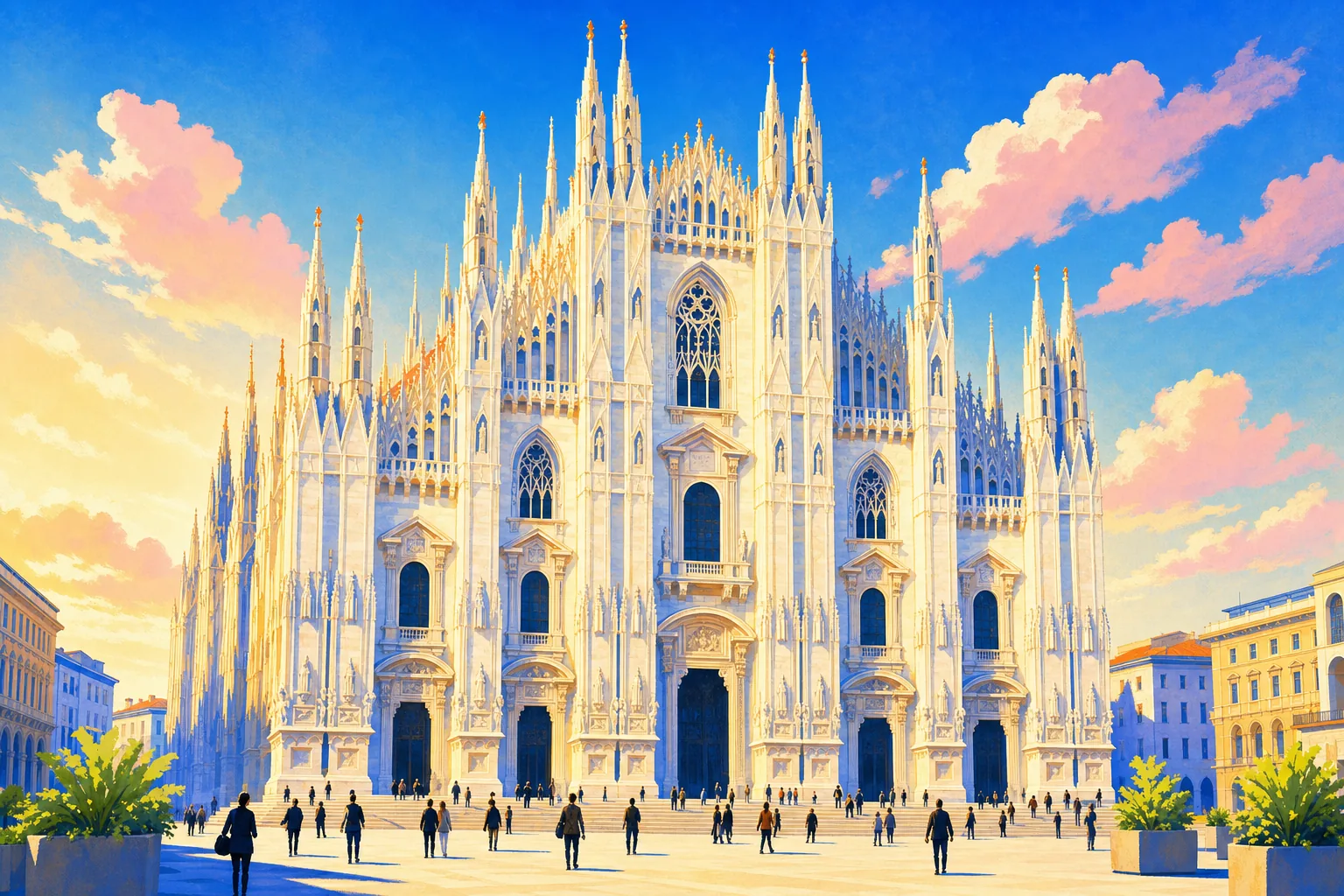
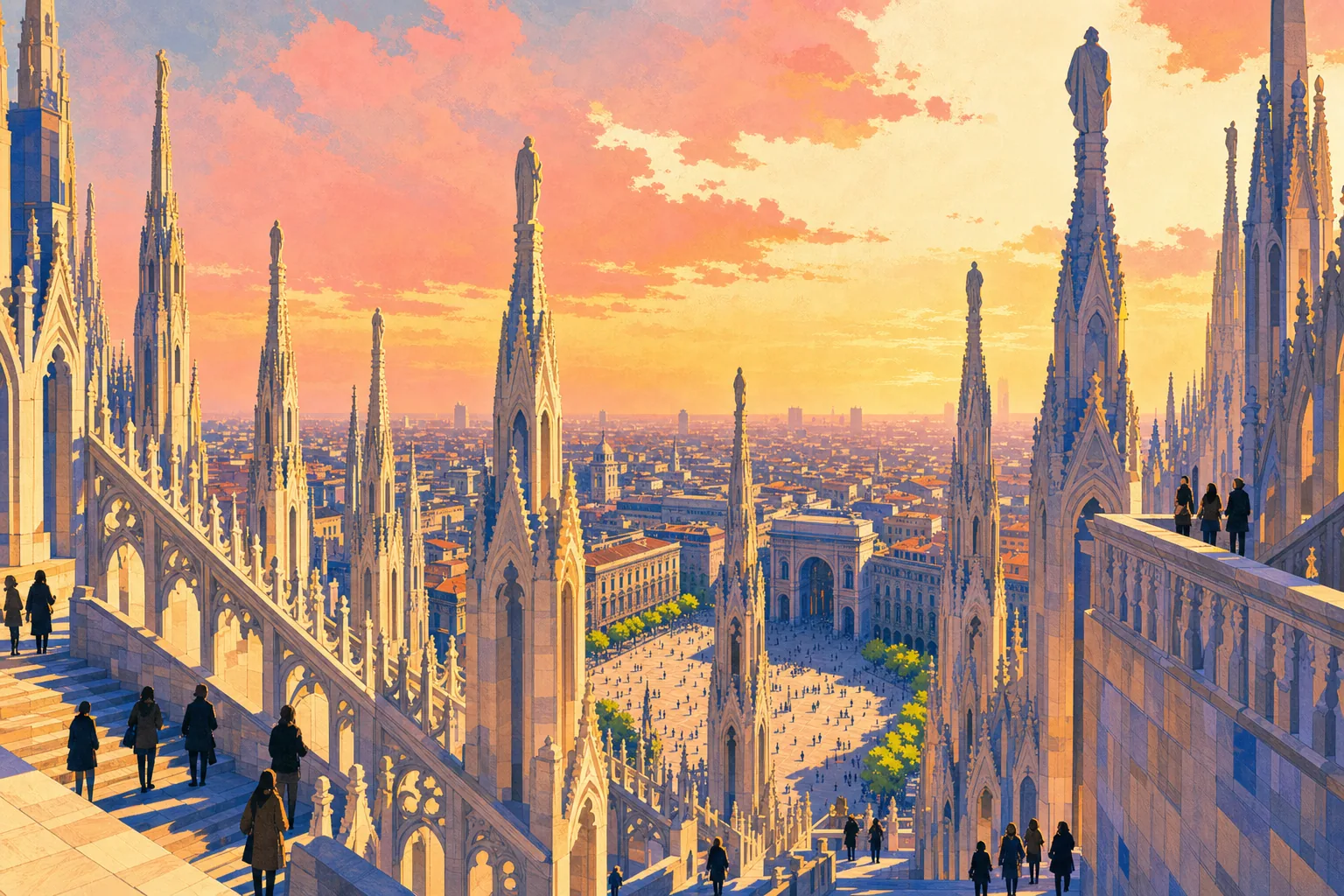
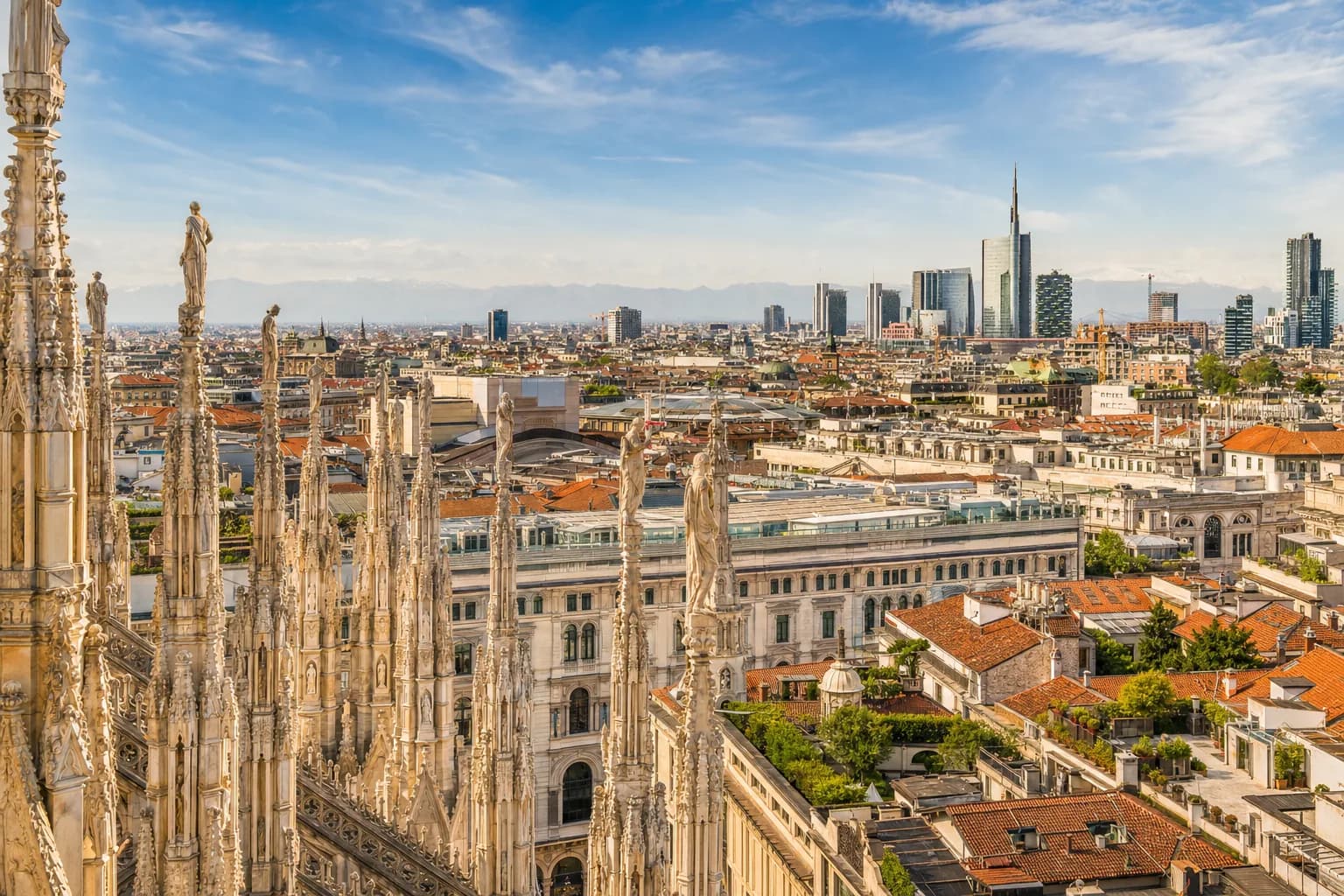
Climb the Duomo rooftops
Walk among Duomo spires, buttresses, and marble sculpture above Piazza del Duomo.
Milan pairs Duomo sights with Navigli dining; visit Apr–May or Sep–Oct, with US travelers visa-free for 90 days.
Milan’s shoulder seasons offer fewer crowds and lower prices, with milder weather than the hotter, busier summer period.
July and August are peak-travel months with higher prices and crowds, and climate sources describe them as the hottest part of the year in northern Italy/Milan.
Duomo di Milano has walkable rooftop terraces and more than 3,000 statues, turning the cathedral into both Milan’s defining monument and its most dramatic city viewpoint.
Where points earn their keep. Every major hotel program runs properties here. We pull live award rates so we don't quote stale ones.
We don't publish fixed award rates — they shift with dates and program changes. Check live points pricing before you book.
Built for a luxury & foodie trip. Come for beach or adventure and you're on the wrong trip.
Milan Malpensa is Milan’s main intercontinental airport and the largest airport in northern Italy, located roughly 48–49 km northwest of the city; most visitors continue to central Milan by Malpensa Express train, airport coach, taxi, or pre-booked car. // flight times vary by origin, set your passport below for yours.
Runs from Malpensa Terminals 1 and 2 toward central Milan stations, typically about every 30 minutes during the day.
Malpensa Shuttle and Malpensa Bus Express link both terminals with the Milano Centrale area; travel time depends on road traffic.
Use official taxi ranks outside arrivals; confirm current fixed fares or regulated tariffs before departure.
Pre-booked chauffeur services are common for business travel and premium hotel arrivals; prices vary by vehicle class and time of day.
Usually unnecessary for a city-only stay because Milan has strong rail and metro coverage, limited-traffic zones, and costly parking.
Entry shown for US passport holders. Allowed stay: 90 days within any 180-day period.
The Rewardopedia cost index is not published yet for this destination. Polygon coverage and the monthly sample design are still calibrating; a figure appears here only after a published index run includes this city.
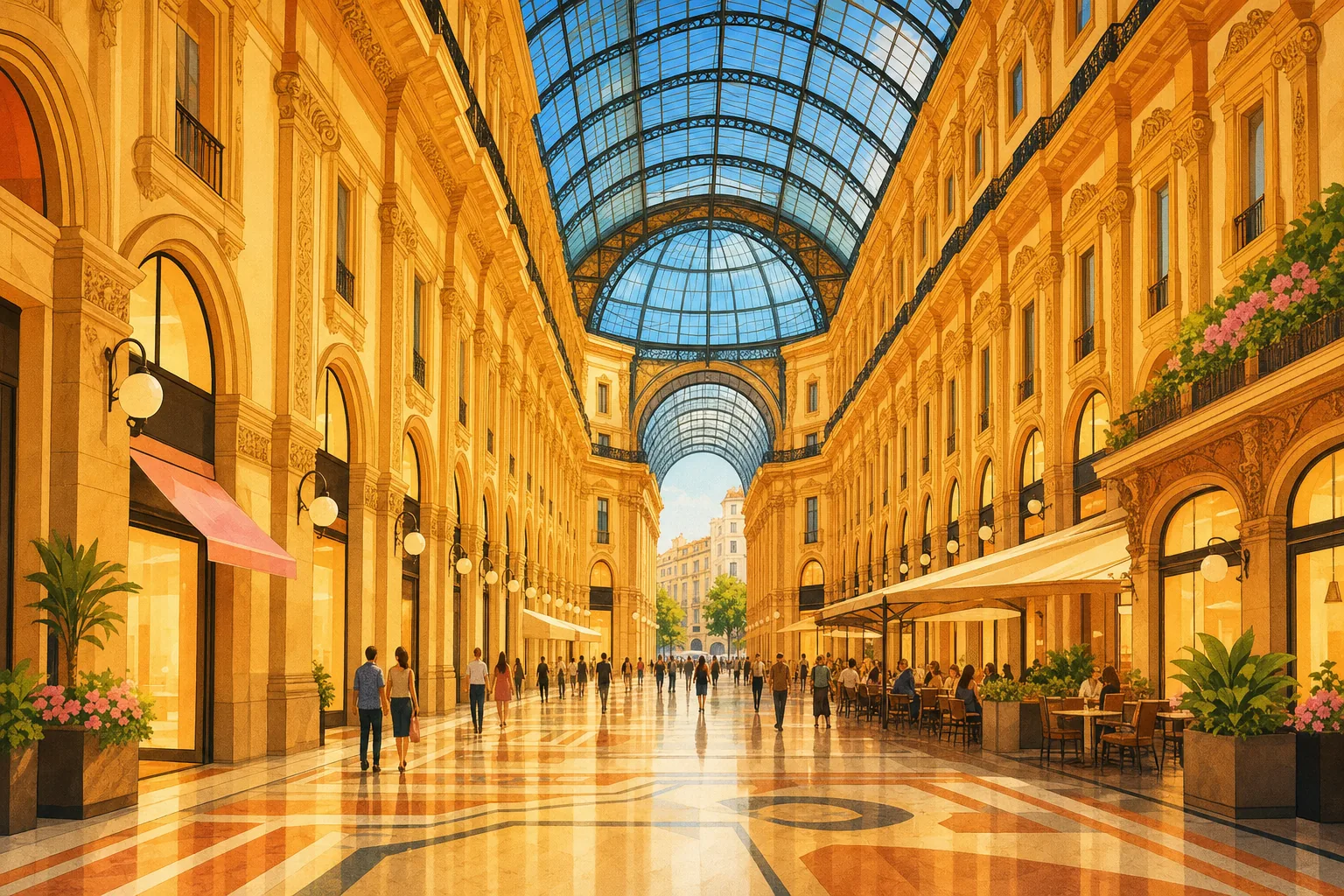
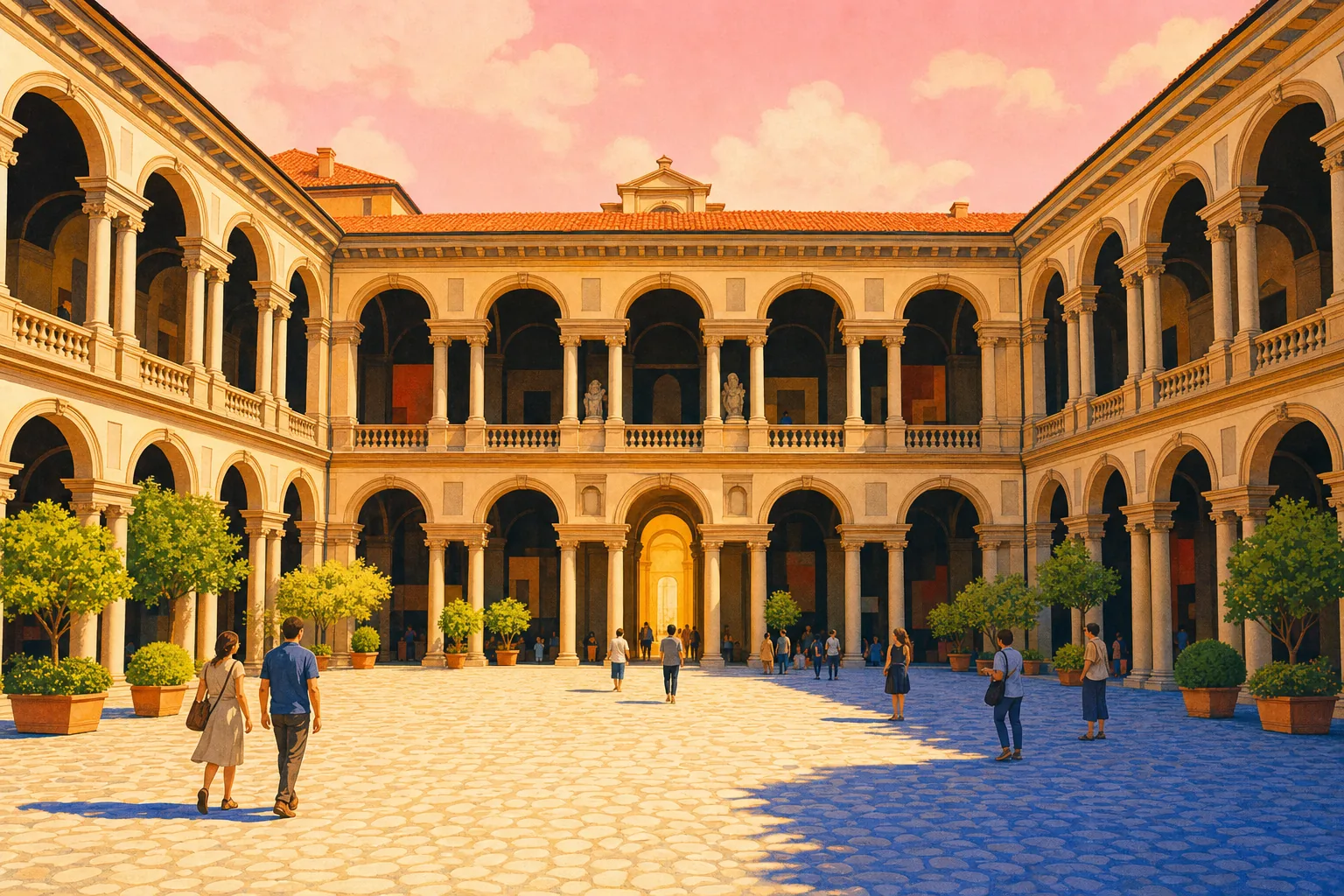
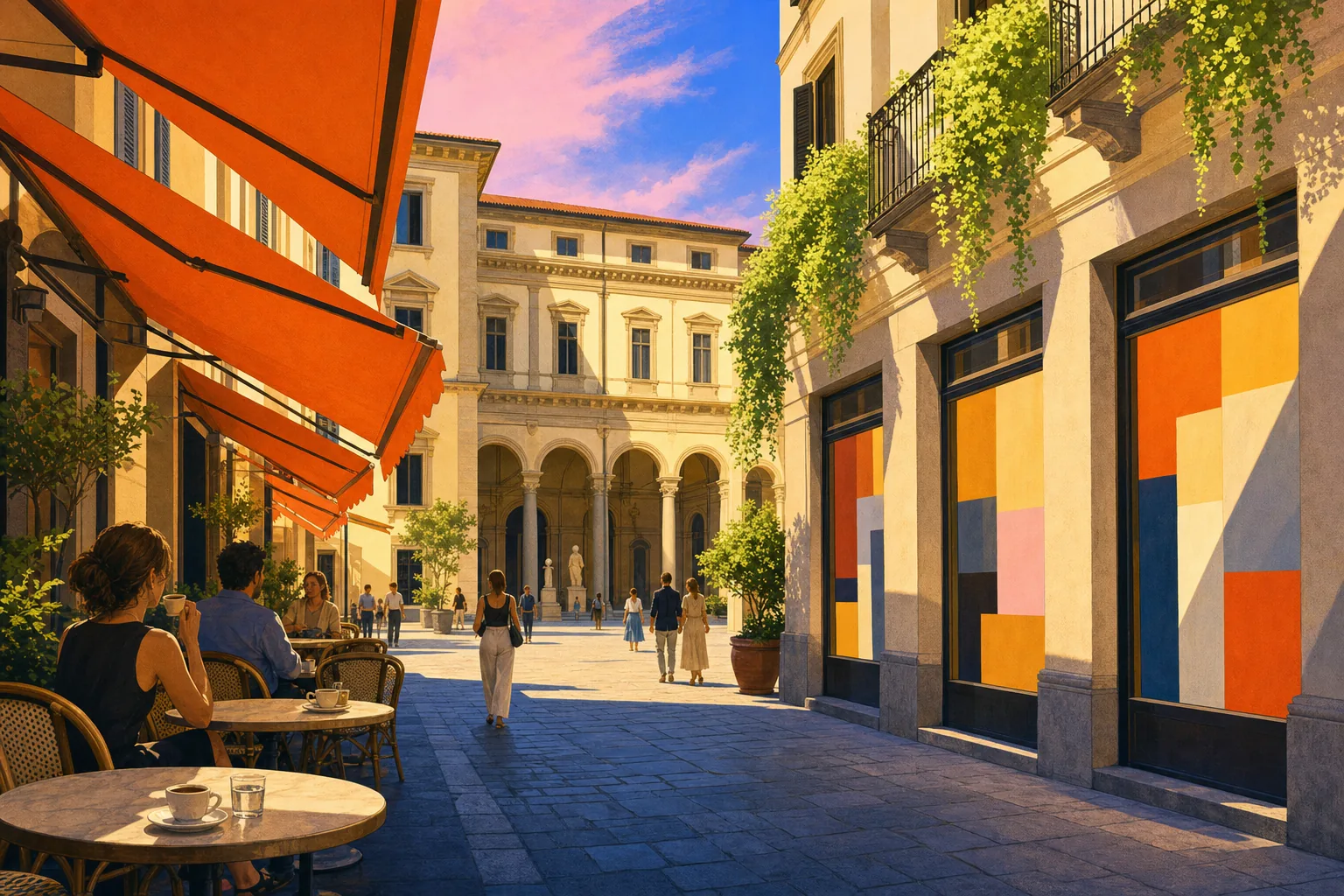
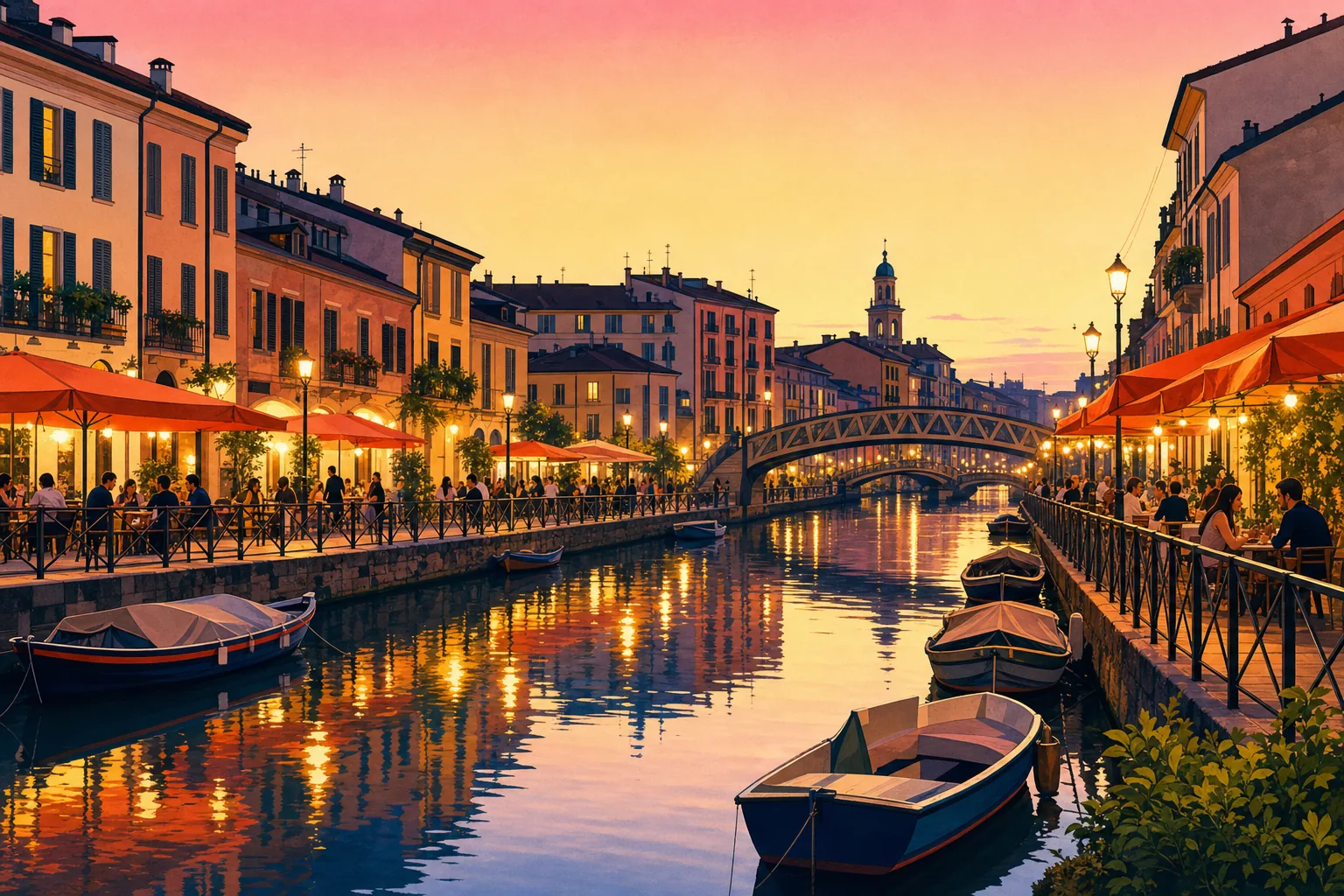
Milan is best understood as a 3-score city break with fashion, food, and design packed into compact neighborhoods. Start at the Duomo di Milano and Galleria Vittorio Emanuele II, then move north to Brera for Pinacoteca di Brera and aperitivo near Corso Garibaldi. Navigli adds canal-side dining, while Porta Nuova shows the city’s newer skyline around Piazza Gae Aulenti. Visit in Apr–May or Sep–Oct for milder shoulder-season conditions, and avoid Jul–Aug when heat, crowds, and prices rise. US travelers can enter visa-free for 90 days within any 180-day Schengen period.
The things people actually ask before booking, answered with real numbers, kept current.
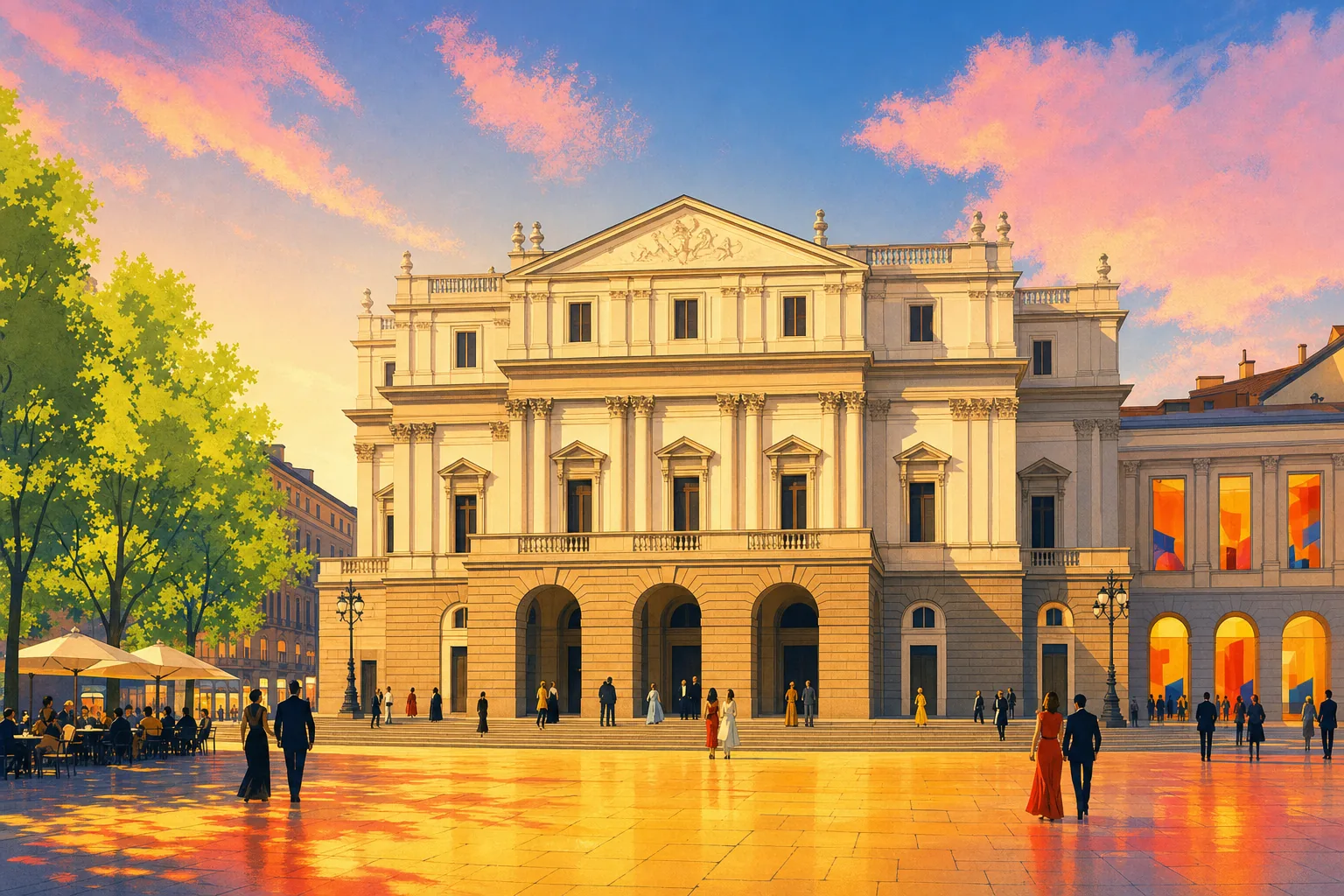
Milan is strong for a 3-day city break. Base near the Duomo di Milano or Brera so you can walk to Galleria Vittorio Emanuele II, La Scala, and aperitivo around Corso Garibaldi. The verified city-break score is 3, and US travelers can remain visa-free for 90 days within any 180-day period if they extend into Lake Como or Turin.
Choose Apr–May or Sep–Oct for the easiest Milan weather. These shoulder-season windows usually mean milder days than Jul–Aug, when northern Italy is hotter and peak crowds push prices higher. In Apr–May you can pair the Duomo terraces with Brera galleries, while Sep–Oct works well for Navigli dinners and quick train trips without burning through a 90-day Schengen stay.
US citizens can visit Milan visa-free for up to 90 days. That limit applies within any 180-day Schengen period, so time in Paris, Barcelona, or Rome counts alongside Milan. Carry a passport issued within the last 10 years and valid at least 3 months beyond departure, plus proof for accommodation near areas like Brera, Porta Nuova, or the Duomo.
Brera and Navigli are the easiest food-focused bases in Milan. The verified foodie score is 3, and these areas make that practical: Brera has polished trattorias near Pinacoteca di Brera, while Navigli centers on canal-side aperitivo. Add Peck near the Duomo or classic risotto alla milanese at Trattoria Masuelli San Marco, then time dinner reservations for Apr–May or Sep–Oct.
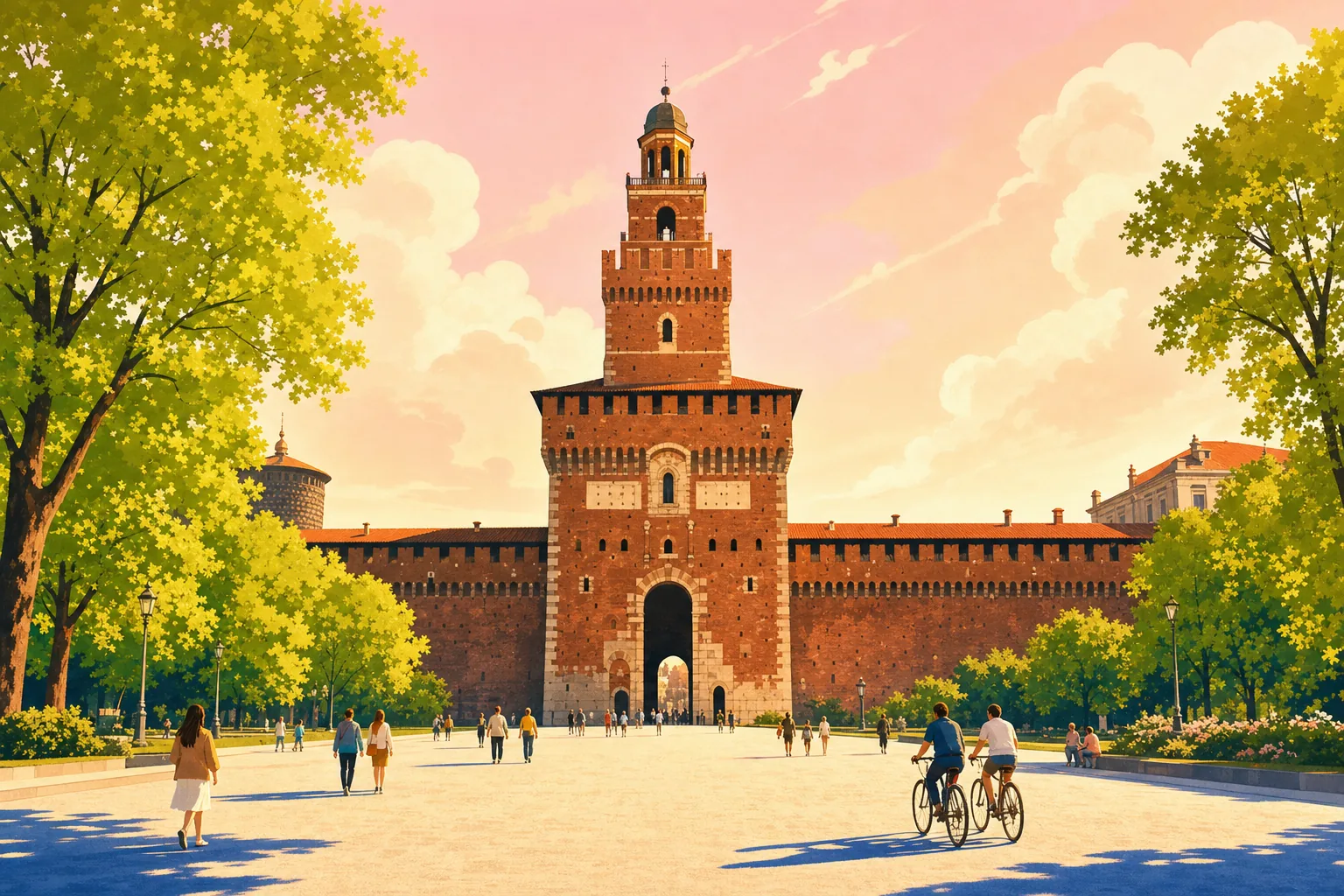
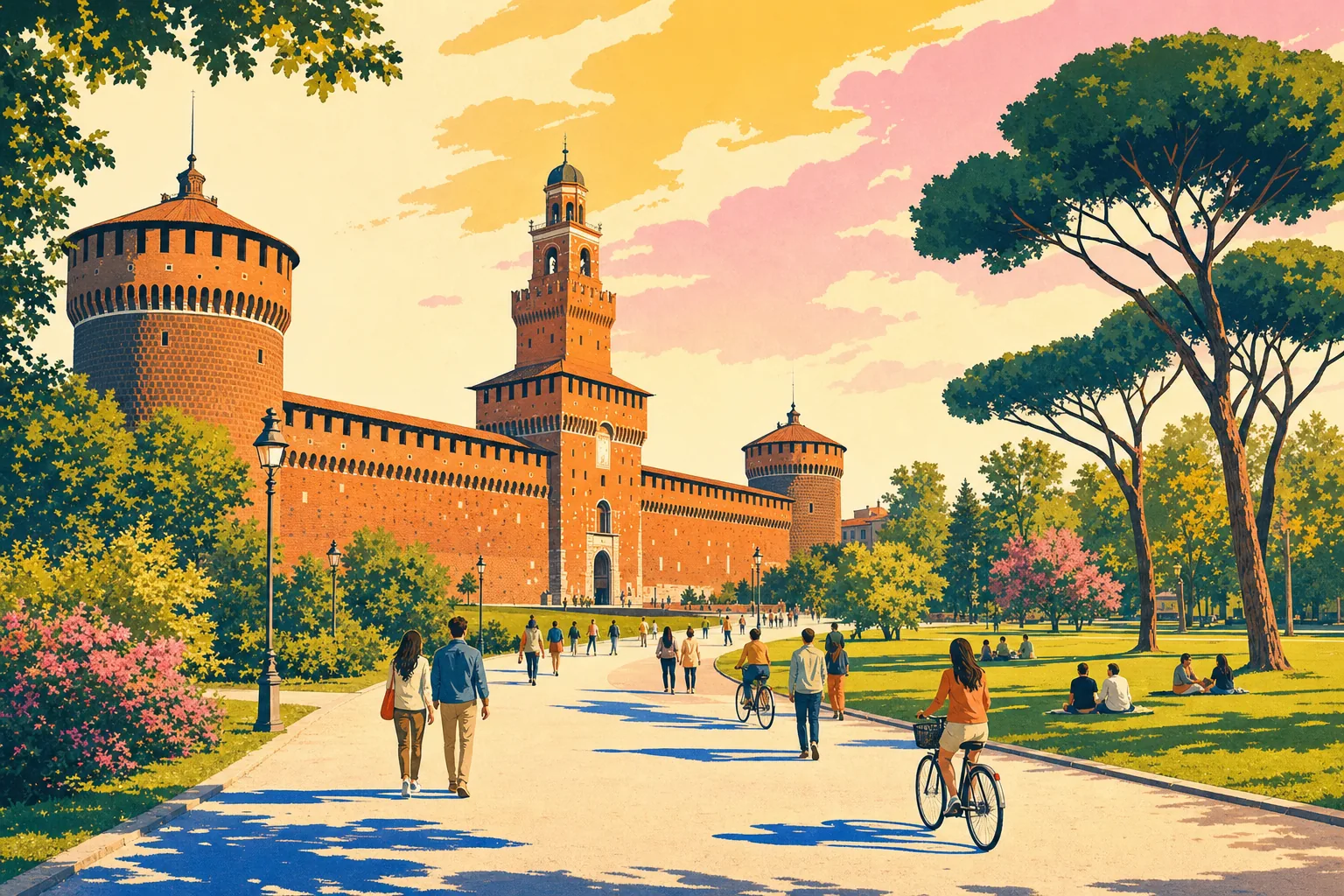
Milan can work for families, but plan around museums and parks. The family score is 2, so balance the Duomo roof, Sforza Castle, and Parco Sempione with downtime instead of packing every hour. Apr–May and Sep–Oct are easier for strollers than Jul–Aug heat, and the 90-day visa-free allowance leaves room for Lake Como if children need a slower day.
Jul–Aug is the least comfortable period for Milan. Verified guidance flags those 2 months as hotter, busier, and often pricier, which matters around the Duomo, Galleria Vittorio Emanuele II, and Centrale station. If you must travel then, book timed museum entries, schedule Brera or Sforza Castle early, and keep Navigli dinners later after the strongest heat fades.
Milan is generally manageable in English for a first visit. The verified English-friendliness is high, and central areas such as the Duomo, Brera, Porta Nuova, and Milano Centrale handle international visitors daily. Still, learn basic Italian greetings for neighborhood restaurants in Isola or Navigli, and remember US travelers have 90 days within a 180-day period rather than unlimited Schengen time.
Use normal city precautions, especially around major transport hubs. The verified safety advisory level is 2, so watch bags at Milano Centrale, on metro platforms, and in crowded Duomo or Galleria Vittorio Emanuele II areas. Apr–May and Sep–Oct can reduce crowd pressure compared with Jul–Aug, but pickpocket awareness still matters during aperitivo hours in Navigli.
Anyone can post a price. We publish a standardized, sourced, dated one. Affiliate commissions never change our editorial inclusion, rankings, or verdicts.
#1 principle
Same basket, every destination.
#2 principle
One source per figure, with a date.
#3 principle
Documented in public for anyone to check.
#4 principle
A commission never changes our editorial inclusion, rankings, or verdicts.