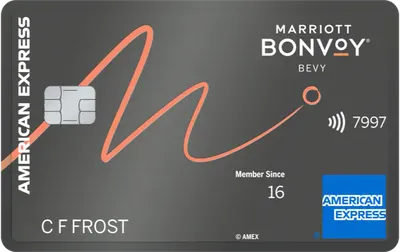
Credit card$250/yr
Marriott Bonvoy Bevy® American Express® Card
American Express
Shisui, a Luxury Collection Hotel, Nara is an intimate 43-room Marriott luxury property in Nara, not Kyoto, set beside Nara Park in a restored 1922 former governor’s residence. Its strongest draws are heritage architecture, private onsen-style bathing, Yoshikien Garden adjacency, and easy access to Nara’s major temples and shrines.
Bookable with Marriott Bonvoy points. Award pricing varies by date and category, so we link straight to the official Marriott Bonvoy award chart for current rates rather than publishing a number that can go stale.
“Shisui, a Luxury Collection Hotel, Nara is an intimate 43-room Marriott luxury property in Nara, not Kyoto, set beside Nara Park in a restored 1922 former governor’s residence. Its strongest draws are heritage architecture, private onsen-style bathing, Yoshikien Garden adjacency, and easy access to Nara’s major temples and shrines.”
Shisui, a Luxury Collection Hotel, Nara is a 43-room luxury property in Nara City, set at 62 Noborioji-cho on the western edge of Nara Park. The location places guests next to Yoshikien Garden and within walking distance of major historic sites such as Kasuga Taisha Shrine, Kofukuji Temple, and Todaiji Temple. The hotel occupies the former Nara Prefectural Governor’s Office, originally built in 1922 and renovated in 2023. Its design preserves Taisho-era architectural character while introducing contemporary interiors, local craftsmanship, and a quiet sense of place tied to Nara’s gardens, mountains, and temple district. Wellness is central to the experience: SUI Spa offers private hot-spring-style treatments in two exclusive rooms, and 23 guest rooms include either indoor onsen hot spring baths or outdoor/open-air baths. The hotel also offers a 24-hour fitness center, two restaurants, a sushi bar, cultural activities such as ink-making workshops and guided strolls, plus paid parking and an EV charging station.
Standard guest rooms form the entry point to the hotel’s 43-room inventory and are described as spacious by urban Japan standards, with open layouts of roughly 40 to 50 square meters. Interiors incorporate Nara traditional crafts and a calm contemporary style.
These rooms emphasize the hotel’s onsen concept with an indoor bath supplied by hot spring water. They are part of the 23-room set that includes either indoor onsen or outdoor bath facilities.
Select rooms feature outdoor or open-air soaking baths, often oriented toward gardens or landscaped courtyards. They are best suited to guests who want the private bathing experience to be a central part of the stay.
Larger rooms and suites extend up to approximately 98 square meters and provide more expansive layouts than standard rooms. Several are designed to maximize views of Mt. Wakakusa, internal gardens, or the surrounding Nara Park setting.
Select garden-facing accommodations are oriented toward the hotel’s inner gardens or nearby Yoshikien Garden context. These rooms highlight the property’s connection to Nara’s landscaped setting and quiet historic neighborhood.
Kyoto is strongest in April and November because tourism guidance highlights cherry blossoms in spring and autumn foliage in mid-to-late November, while climate sources describe these shoulder-season months as generally mild and drier than the rainy, humid summer period.
Kyoto enters the rainy season in June and early July, then has hot, humid summer weather through August and a higher typhoon-season risk in September, which can make travel less comfortable and more disruptive.
Co-brand cards earn Marriott Bonvoy points directly; the rest move points in from bank programs at the ratios and transfer times shown. Award pricing itself lives with the official Marriott Bonvoy tools above.
American Express
Chase
Chase
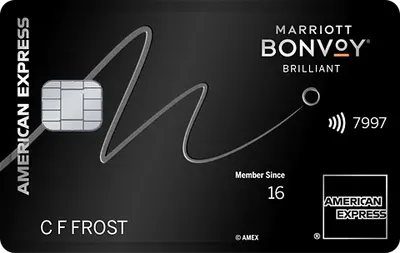
American Express
American Express
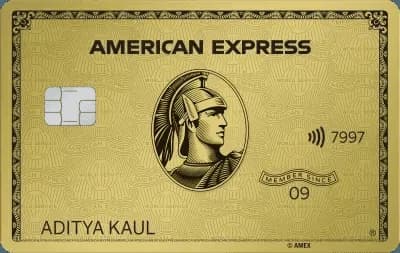
American Express

Chase

Chase

Chase
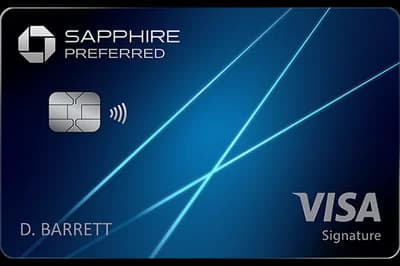
Chase
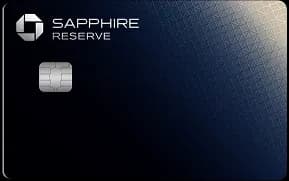
Chase
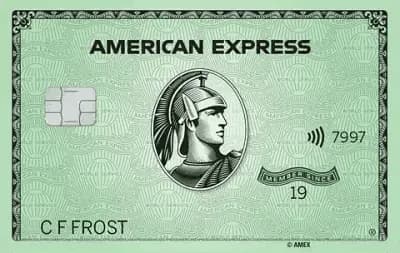
American Express
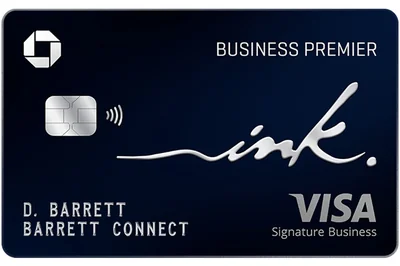
Chase

Chase

Chase

Chase

Chase
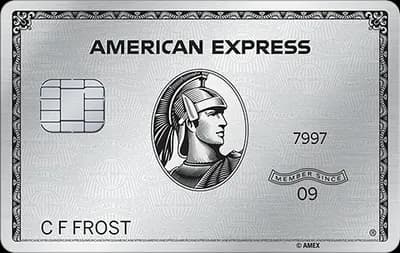
American Express
| Hotel | Program |
|---|---|
Japan Shisui, a Luxury Collection Hotel, Narathis one | Marriott Bonvoy |
| Marriott Bonvoy | |
| Hilton Honors | |
| Marriott Bonvoy | |
| Marriott Bonvoy |
Tours and activities via Viator. Prices shown are live from Viator at page load. We may earn a commission if you book. It never changes our editorial inclusion, rankings, or verdicts.
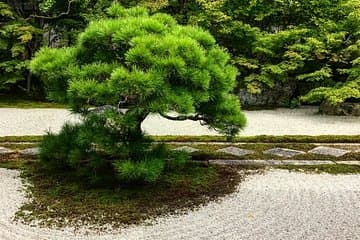
Western edge of Nara Park in the Yoshikien area, surrounded by gardens, historic temples, shrines, and culturally significant sites.
Cash rates are re-checked on a schedule; live award pricing comes straight from the program rather than a number we publish here. See methodology.