Credit card$250/yr
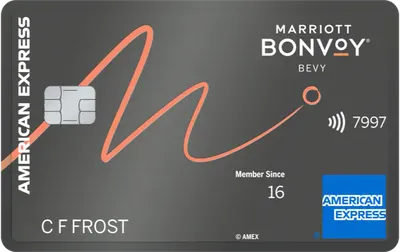
Marriott Bonvoy Bevy® American Express® Card
American Express
AC Hotel Tokyo Ginza is a modern, design-led Marriott hotel in central Ginza with 296 rooms, two casual dining venues, and a 24-hour fitness center. Its appeal is location and brand consistency rather than resort amenities, as it has no pool, spa, or club lounge.
Bookable with Marriott Bonvoy points. Award pricing varies by date and category, so we link straight to the official Marriott Bonvoy award chart for current rates rather than publishing a number that can go stale.
“AC Hotel Tokyo Ginza is a modern, design-led Marriott hotel in central Ginza with 296 rooms, two casual dining venues, and a 24-hour fitness center. Its appeal is location and brand consistency rather than resort amenities, as it has no pool, spa, or club lounge.”
AC Hotel Tokyo Ginza is a 296-room, design-focused Marriott hotel at 6-14-7 Ginza in Chuo-ku, placing guests in one of Tokyo’s best-known shopping and dining districts. The setting is especially practical for travelers who want to be close to Ginza Six, Tsukiji Outer Market, Tokyo International Forum, and multiple rail lines. The property follows the AC Hotels style: sleek, minimalist interiors with European-inspired design and contemporary Japanese-city practicality. Rooms are described as simple, spare, and efficient, with air conditioning, complimentary in-room Wi-Fi, sound-insulated walls, and modern bathrooms; most rooms are noted for showers rather than full tubs. Amenities are focused rather than resort-like. The hotel has a 24-hour fitness center, business services, currency exchange, concierge and dry-cleaning services, plus two small meeting rooms suited to compact corporate gatherings. It does not list a pool, spa, or dedicated club lounge. Dining is casual and convenient rather than destination-driven, with AC Kitchen and AC Lounge covering breakfast, meals, drinks, and social space. For many guests, the bigger culinary advantage is the Ginza location itself, surrounded by department-store dining, restaurants, cafés, and easy access toward Tsukiji.
The Standard King Room is a sleek, compact room type with one king bed and the AC brand’s clean, contemporary design. It is best suited to solo travelers or couples who want an efficient Ginza base rather than a large residential-style room.
The Standard Twin Room offers two twin beds in a similarly minimalist layout. It works well for friends, colleagues, or family members who prefer separate beds while staying close to Ginza transit and dining.
Higher-category room names can vary by booking channel, but available listings commonly show upgraded room categories above the standard rooms. These rooms should be viewed as more functional and design-led than suite-like, with the same core AC Hotel amenities.
The hotel may offer limited suite or suite-like accommodations through some booking channels, but the property does not heavily market large specialty suites. Guests seeking extra space should confirm the exact layout, bedding, and bathroom setup directly before booking.
Tokyo is typically most comfortable in spring and autumn, with cherry blossoms and mild temperatures in late March to May and pleasant, less hot weather in October to November; these are described as main shoulder seasons for sightseeing.
These months overlap with Tokyo’s hot, humid summer and the Pacific typhoon season; travel guides warn that summer crowds, heat, and storm risk make redemptions less comfortable and potentially more expensive.
Co-brand cards earn Marriott Bonvoy points directly; the rest move points in from bank programs at the ratios and transfer times shown. Award pricing itself lives with the official Marriott Bonvoy tools above.
American Express
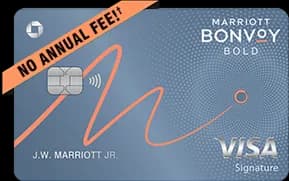
Chase
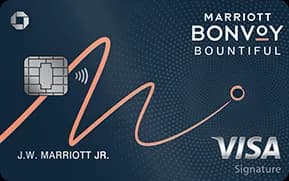
Chase
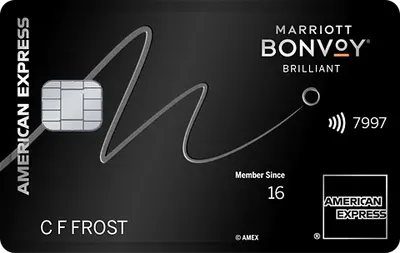
American Express
American Express
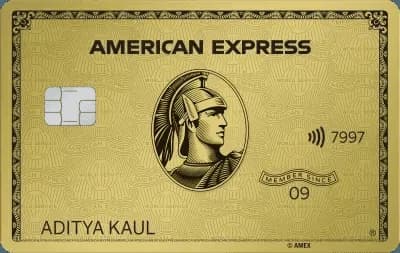
American Express

Chase

Chase

Chase
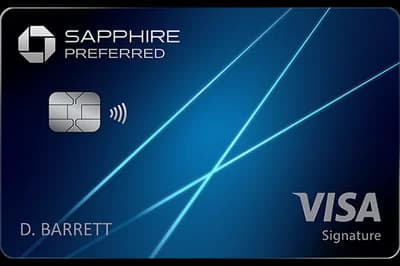
Chase

Chase
American Express

Chase

Chase

Chase

Chase

Chase
American Express
| Hotel | Program |
|---|---|
AC Hotel Tokyo Ginzathis one | Marriott Bonvoy |
| Marriott Bonvoy | |
| World of Hyatt | |
| Hilton Honors | |
| Hilton Honors |
Tours and activities via Viator. Prices shown are live from Viator at page load. We may earn a commission if you book. It never changes our editorial inclusion, rankings, or verdicts.
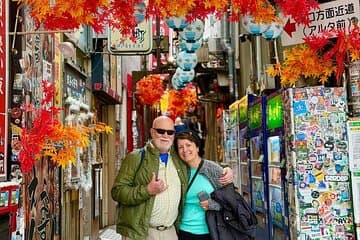
East Ginza, a central Tokyo shopping and dining area known for luxury boutiques, department stores, galleries, restaurants, and strong subway access.
Cash rates are re-checked on a schedule; live award pricing comes straight from the program rather than a number we publish here. See methodology.