ActivityDon't miss
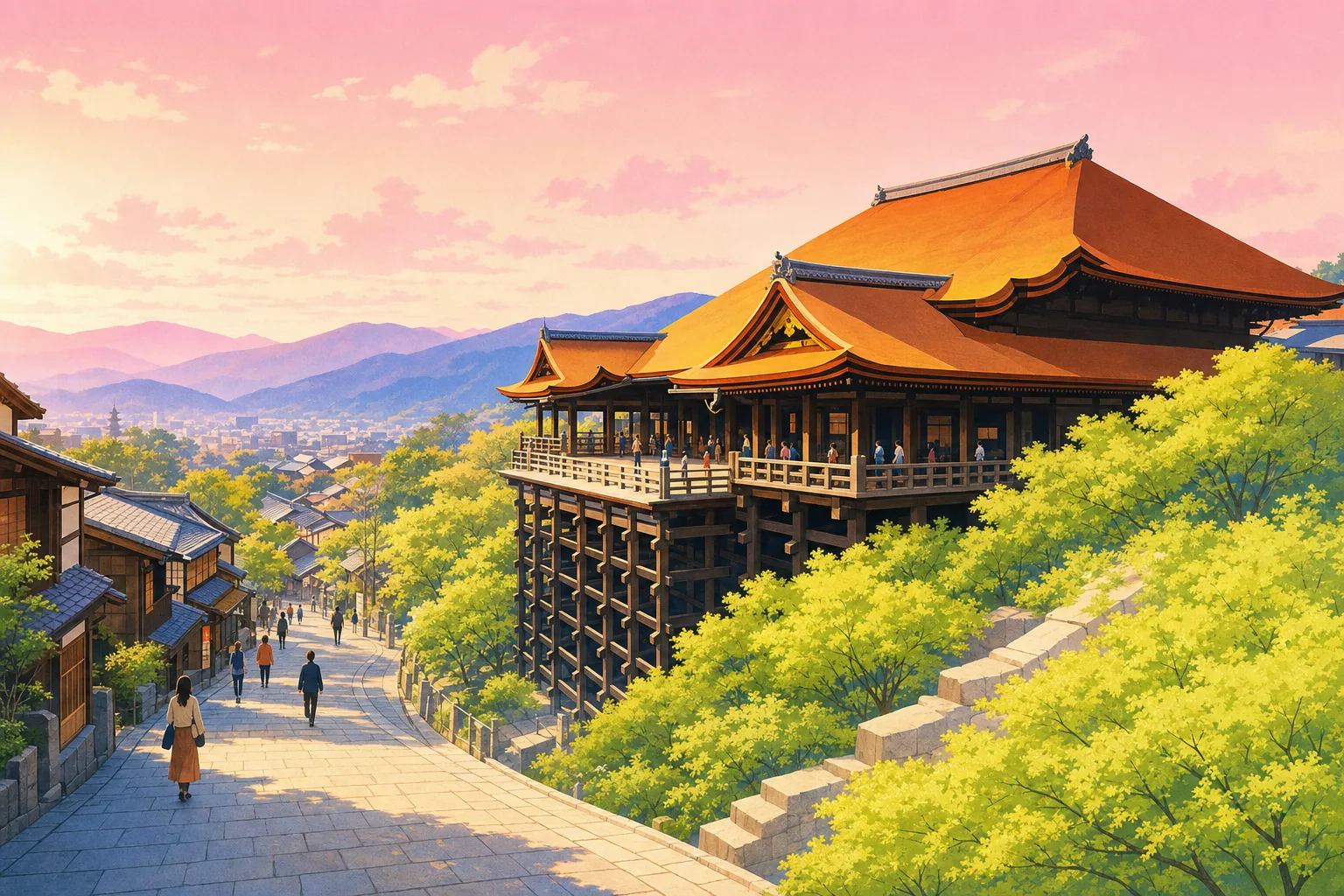
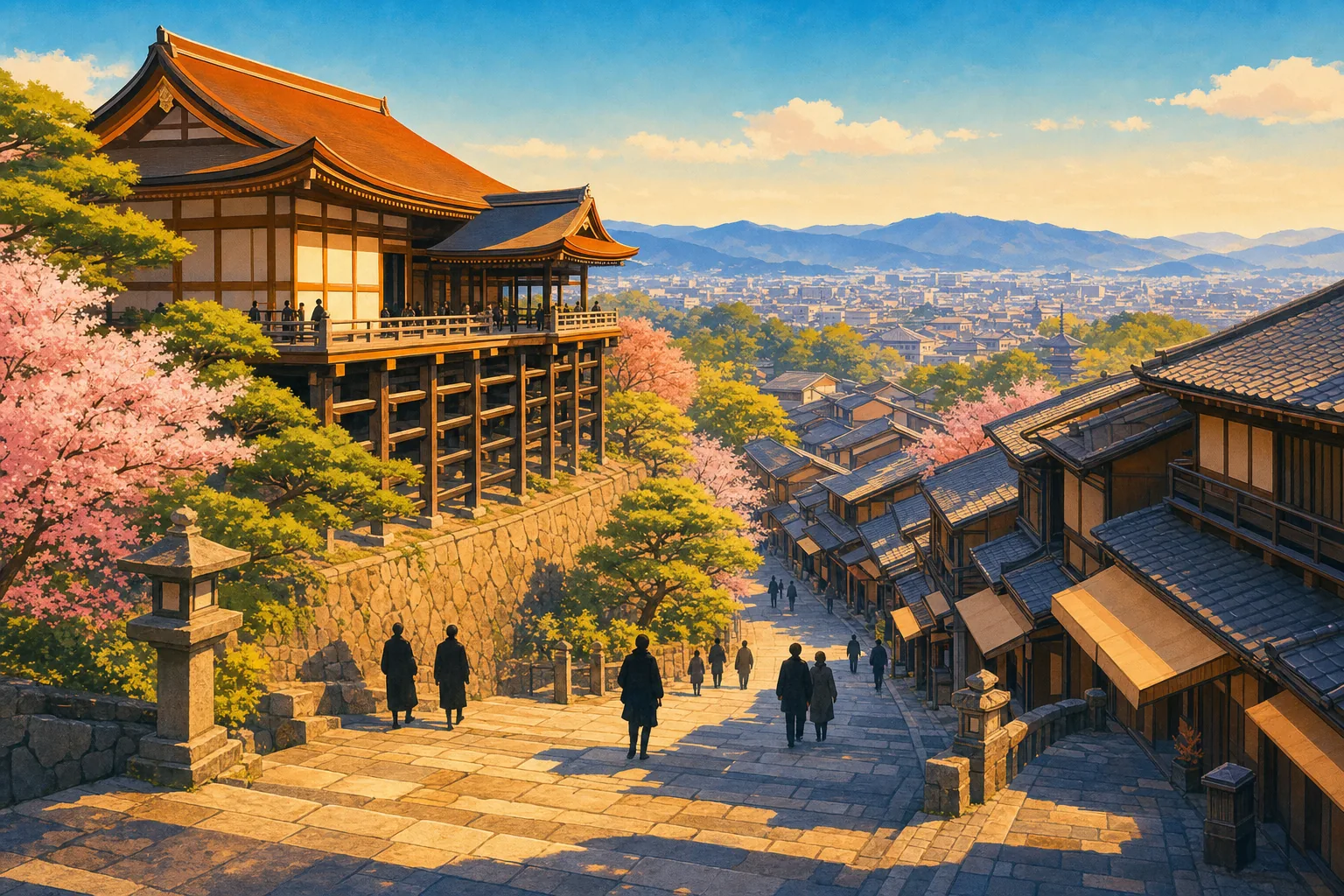
Kiyomizu-dera and Higashiyama Old Streets
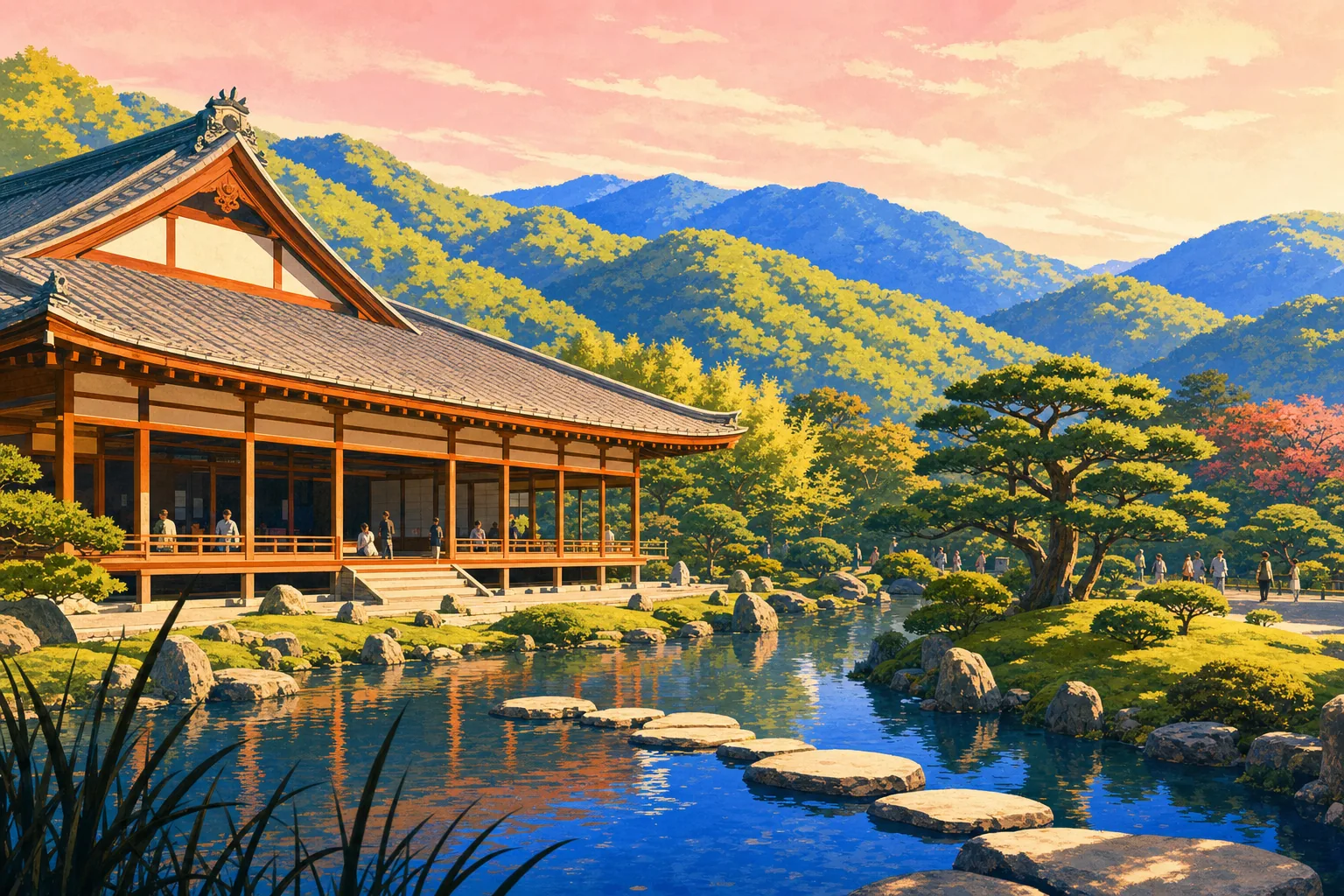
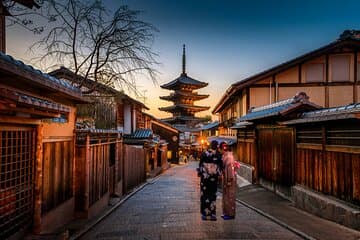
Pair Kiyomizu-dera’s wooden stage and city views with preserved Ninenzaka and Sannenzaka lanes.
Kyoto in Apr or Nov: temples, Gion lanes, and 90-day visa-free stays for US travelers.
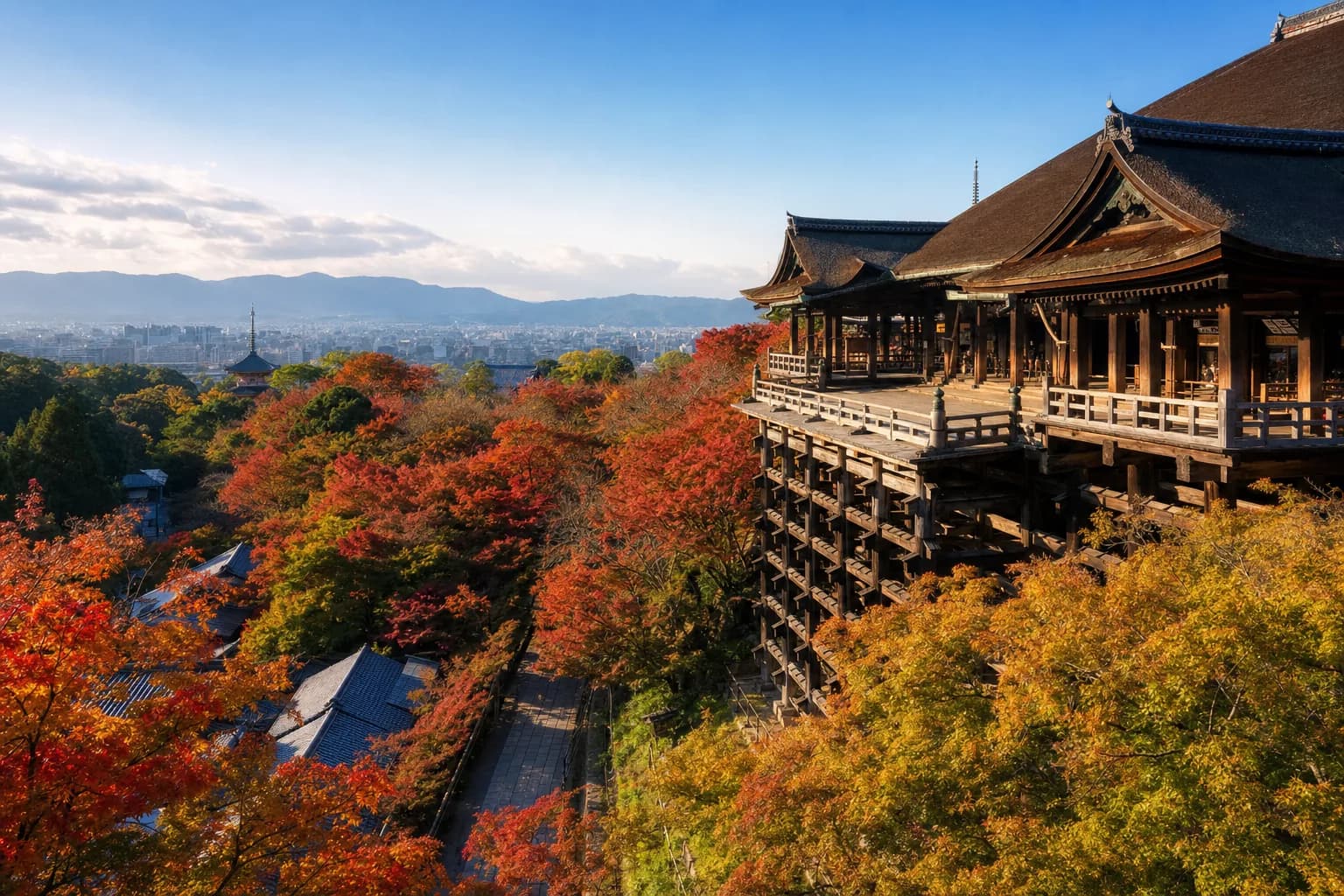
Kyoto is strongest in April and November because tourism guidance highlights cherry blossoms in spring and autumn foliage in mid-to-late November, while climate sources describe these shoulder-season months as generally mild and drier than the rainy, humid summer period.
Kyoto enters the rainy season in June and early July, then has hot, humid summer weather through August and a higher typhoon-season risk in September, which can make travel less comfortable and more disruptive.
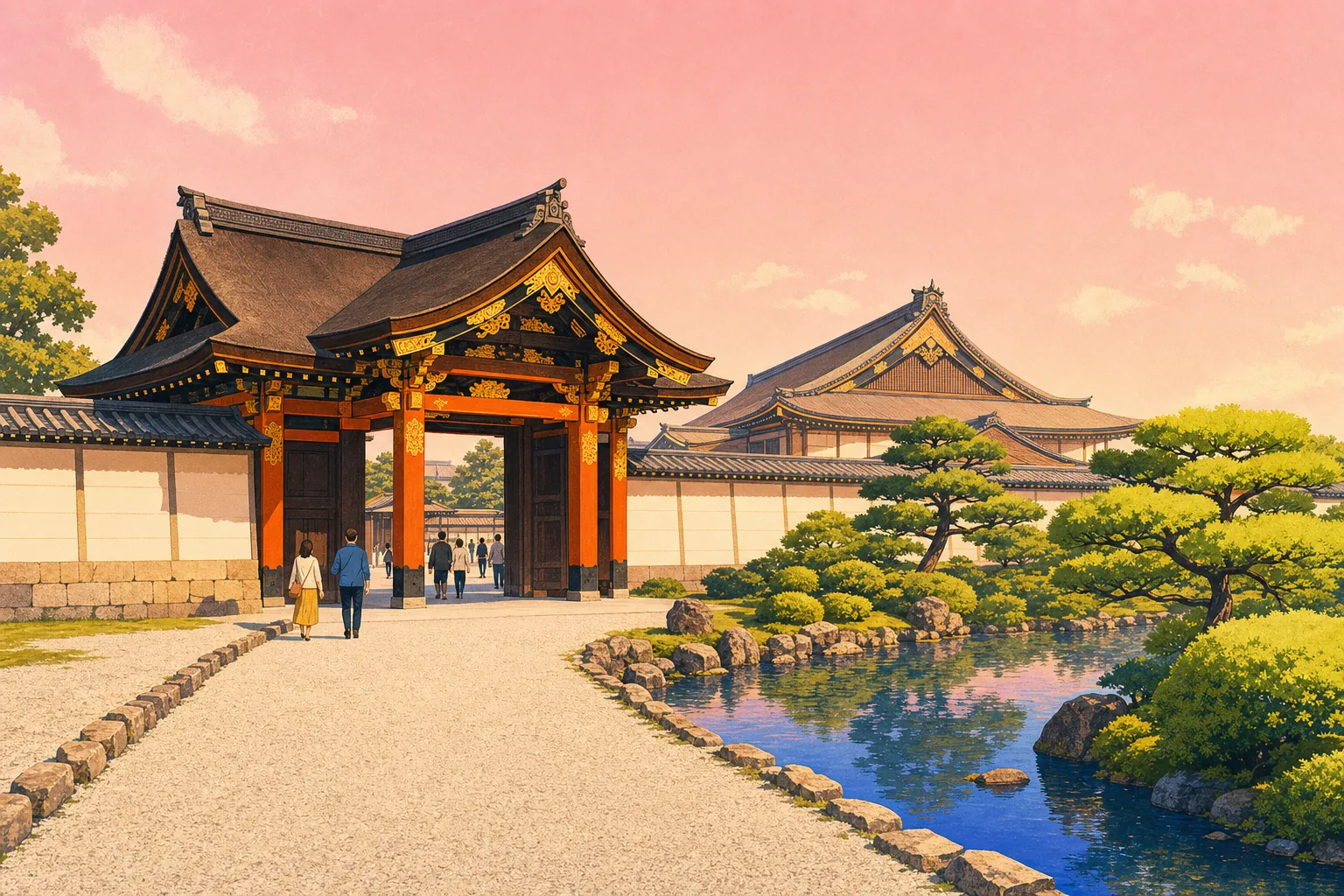
Kyoto’s Historic Monuments of Ancient Kyoto inscription covers 17 UNESCO World Heritage components, reflecting the city’s long role as Japan’s imperial capital and cultural core.
Tours and activities via Viator. Prices shown are live from Viator at page load. We may earn a commission if you book. It never changes our editorial inclusion, rankings, or verdicts.
Where points earn their keep. Every major hotel program runs properties here. We pull live award rates so we don't quote stale ones.
We don't publish fixed award rates — they shift with dates and program changes. Check live points pricing before you book.
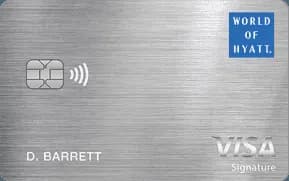
The stays above run on hotel points. These cards reach each program: co-brands earn directly, bank cards transfer in at the ratios and transfer times shown.
American Express

American Express

American Express
American Express

American Express
American Express
American Express
American Express
Chase

Chase
American Express
American Express
American Express

Chase

Chase

Chase

Chase

Chase
American Express

Chase

Chase

Chase

Chase

Chase
American Express
Chase
Chase
Chase
Chase
Chase
Chase
Chase
Chase
Chase
Chase
Chase
Built for a aspirational & cultural trip. Come for beach and you're on the wrong trip.
Kyoto has no commercial airport; Kansai International Airport is the primary international gateway, with the JR Haruka limited express reaching Kyoto Station in about 75 minutes and airport limousine buses typically taking around 80–90 minutes depending on traffic. // flight times vary by origin, set your passport below for yours.
Runs from Kansai Airport Station, connected to Terminal 1, and travels directly to Kyoto Station without changing trains.
Buses depart from designated stands at KIX terminals; travel time varies with highway traffic and hotel-area routing.
Typically uses JR airport and urban lines with at least one transfer before continuing toward Kyoto Station; peak-hour crowding can be an issue with bags.
Licensed taxis and prebooked hires are available at KIX; fares vary by operator, traffic, late-night surcharges, and expressway tolls.
Itami is closer to Kyoto but is primarily a domestic airport, so it is usually a secondary gateway rather than the main international arrival point.
Use Meitetsu from Centrair to Nagoya Station, then the Tokaido Shinkansen to Kyoto; total time depends on transfer timing.
Entry shown for US passport holders. Allowed stay: 90 days.
The Rewardopedia cost index is not published yet for this destination. Polygon coverage and the monthly sample design are still calibrating; a figure appears here only after a published index run includes this city.
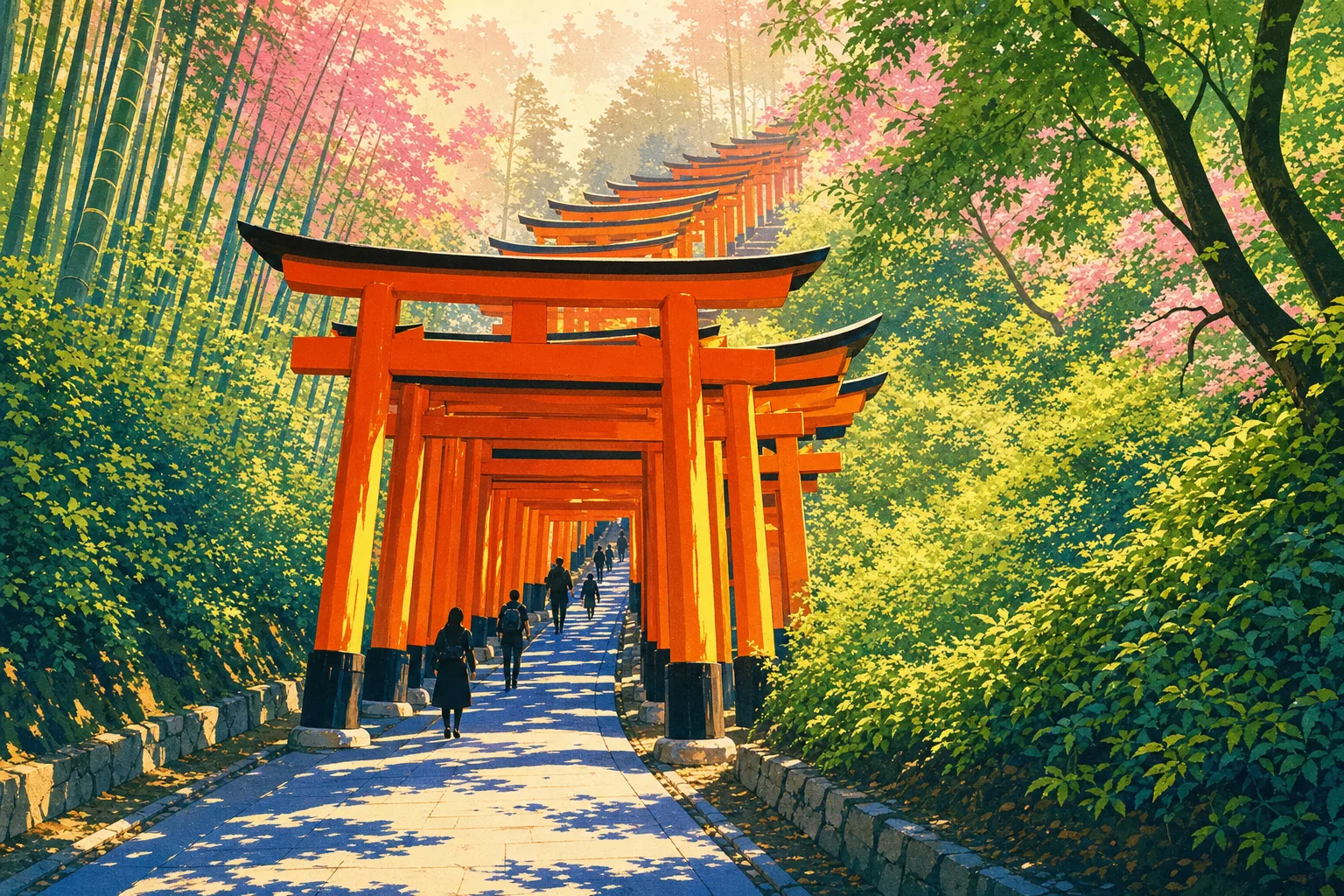
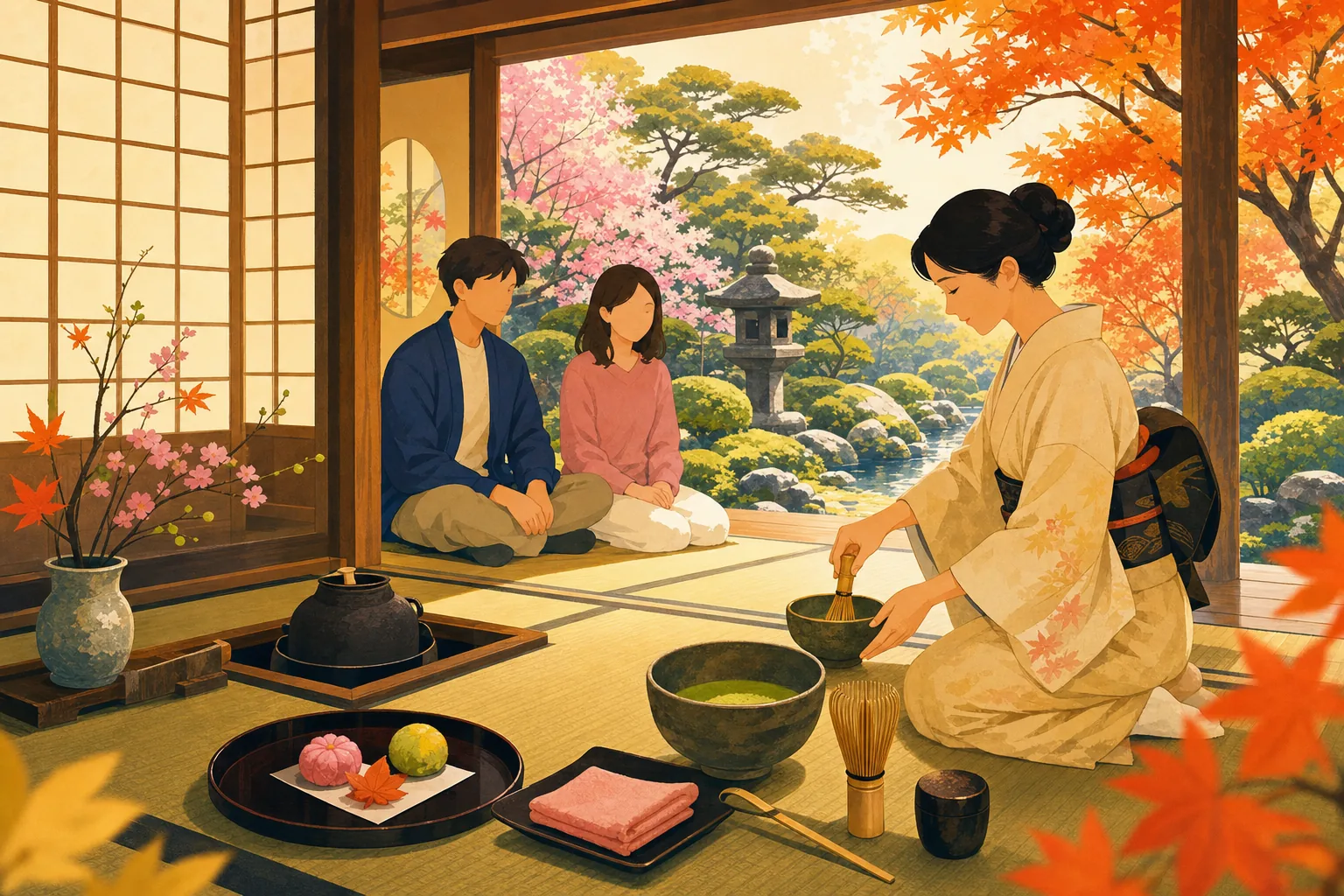
Kyoto rewards slow travel in Apr and Nov, when mild shoulder-season weather frames Kiyomizu-dera, Gion, and the maple paths around Tofuku-ji. The city’s cultural score of 3 fits days built around temples, tea, and garden walks, while foodie and local-vibe scores of 2 keep Nishiki Market and Pontocho approachable rather than overwhelming. US travelers can enter Japan visa-free for up to 90 days, making it easy to pair Kyoto with Nara or Osaka. Avoid Jun–Sep if heat, rain, humidity, and September typhoon risk would disrupt outdoor plans.
The things people actually ask before booking, answered with real numbers, kept current.
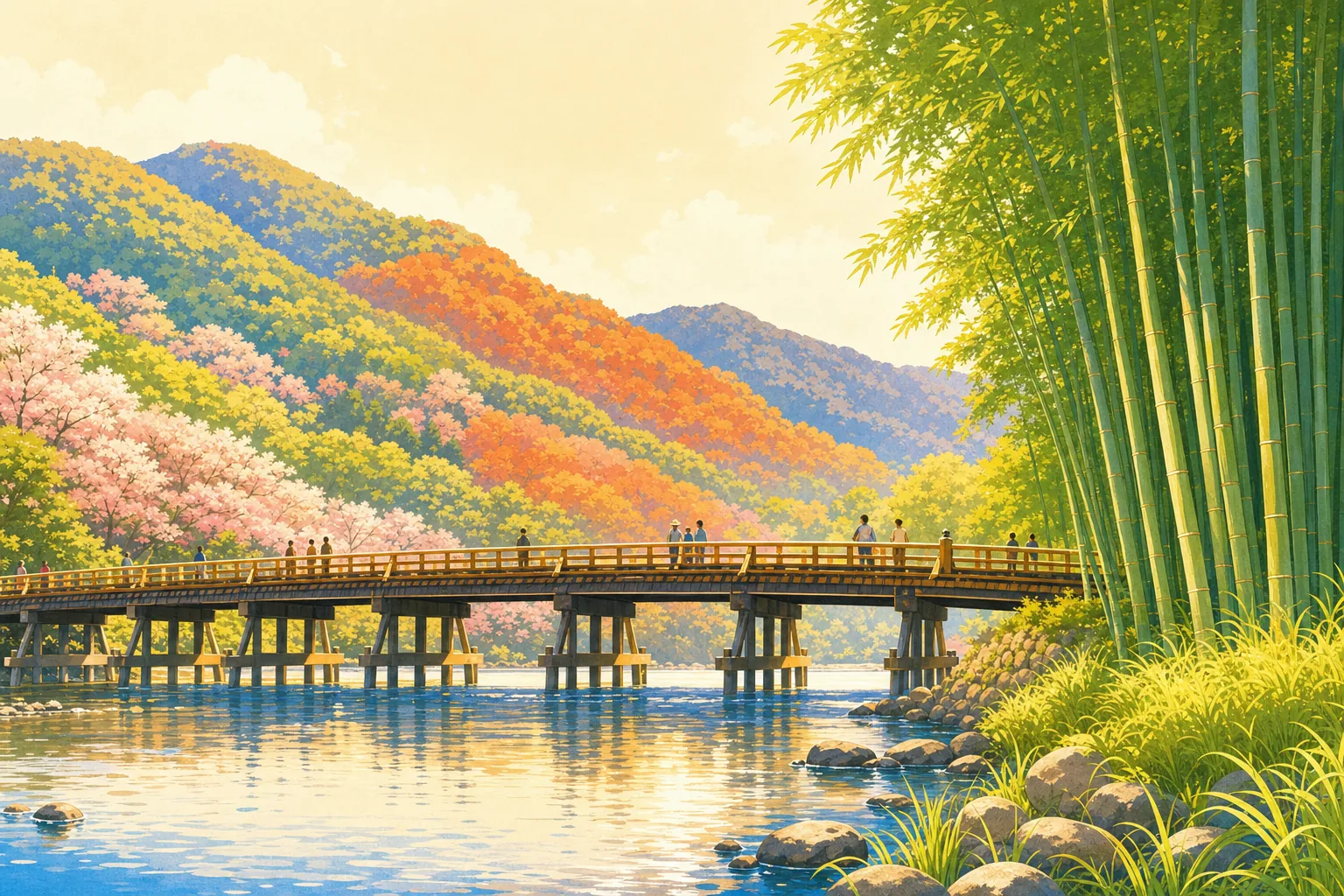
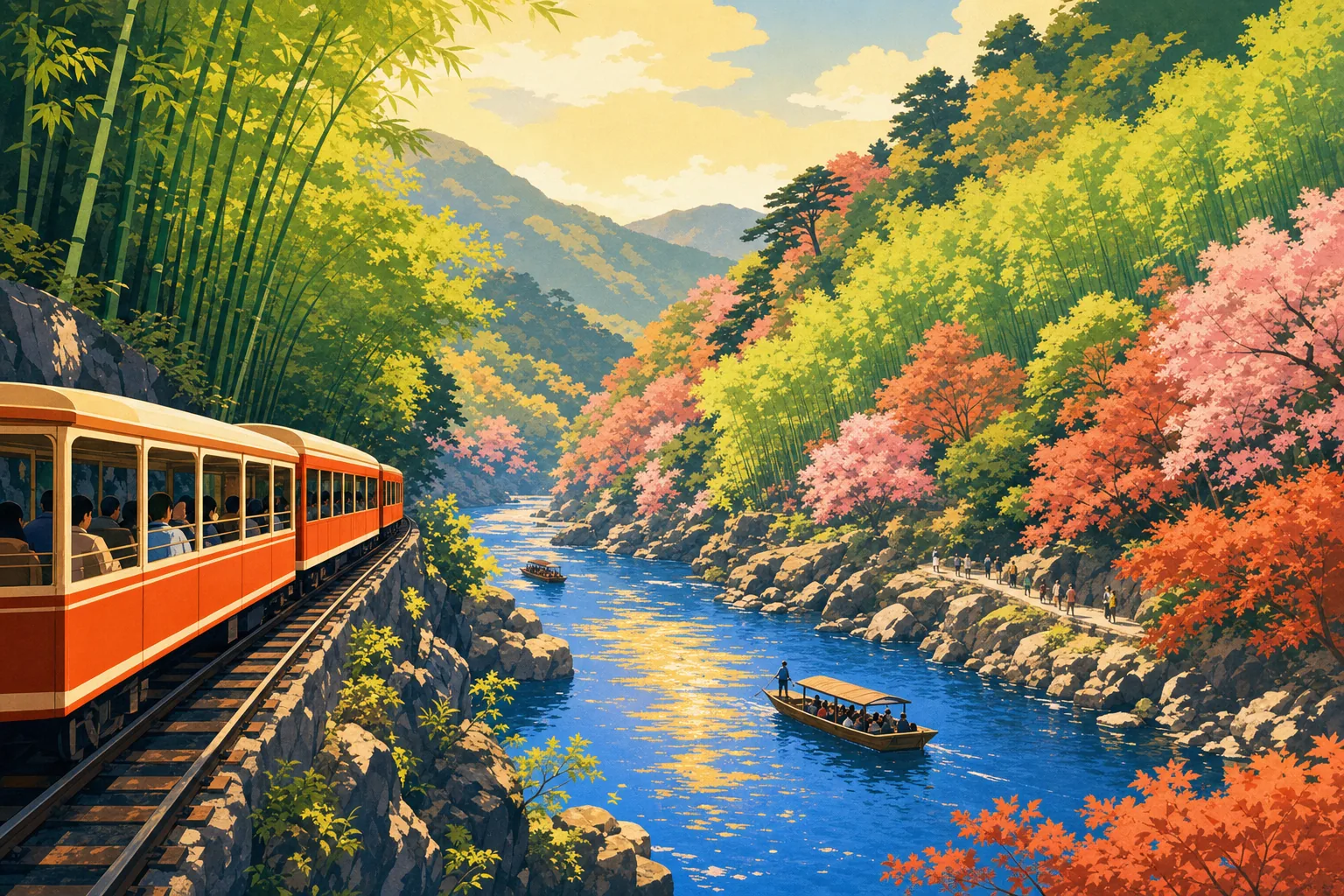
April and November are the best months for most Kyoto trips. April centers on cherry blossoms around Maruyama Park and the Philosopher’s Path, while November brings strong maple color at Tofuku-ji and Eikando. These 2 shoulder-season windows are generally milder and drier than Jun–Sep, so temple days and Arashiyama walks are easier to plan.
US citizens can visit Kyoto visa-free for up to 90 days. You need a valid US passport for the full stay, short-term tourism or business purpose, and normal landing permission after fingerprinting and a photograph on arrival. Carry an onward or return ticket and funds evidence, especially if you plan day trips from Kyoto Station to Nara, Osaka, or Himeji.
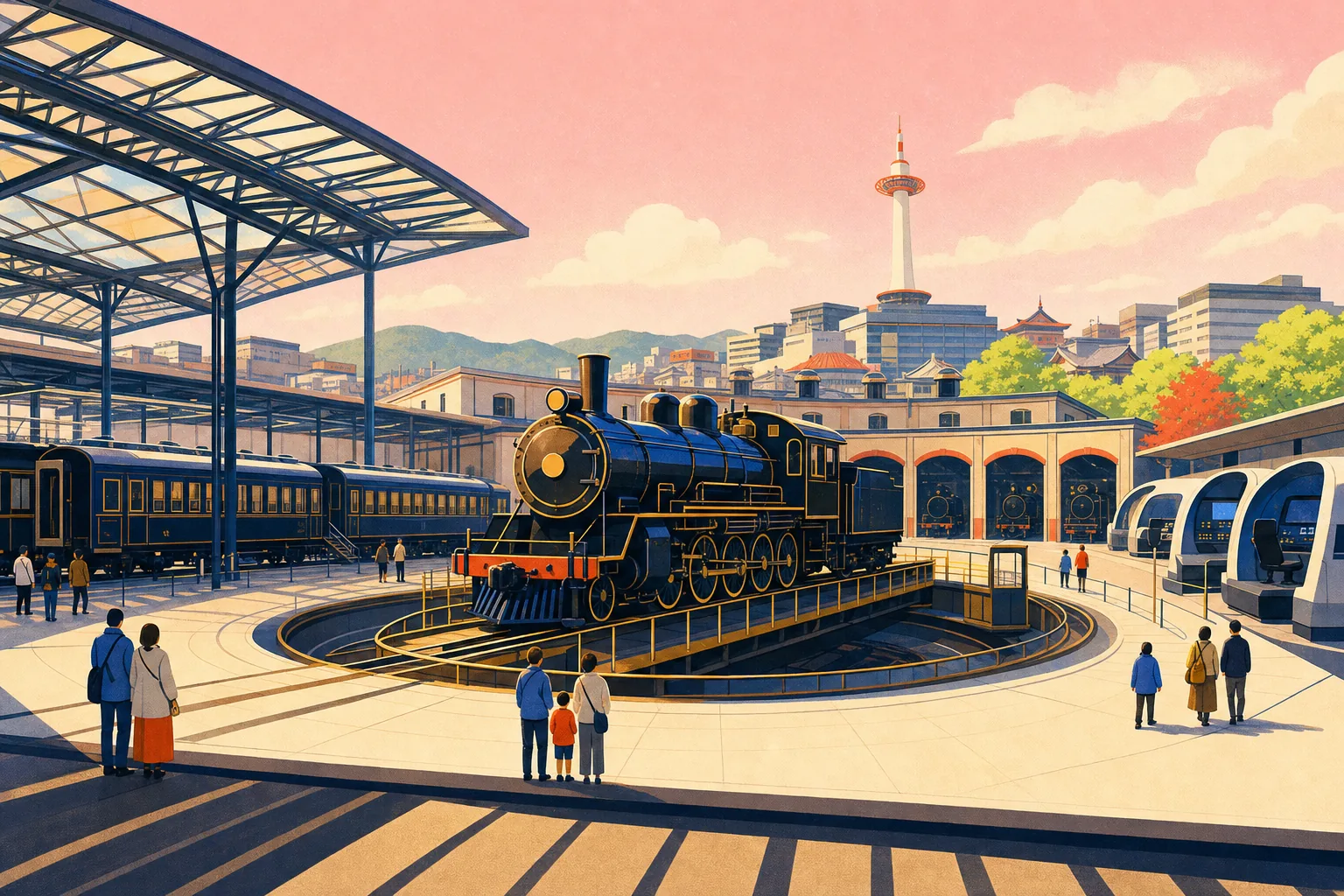
June through September is the least comfortable Kyoto period. June and early July bring rainy-season conditions, August is often hot and humid, and September adds higher typhoon-season risk. If you must travel in Jun–Sep, base near Kyoto Station, Shijo, or Karasuma so you can reach Sanjusangen-do, the Kyoto Railway Museum, and covered Nishiki Market quickly.
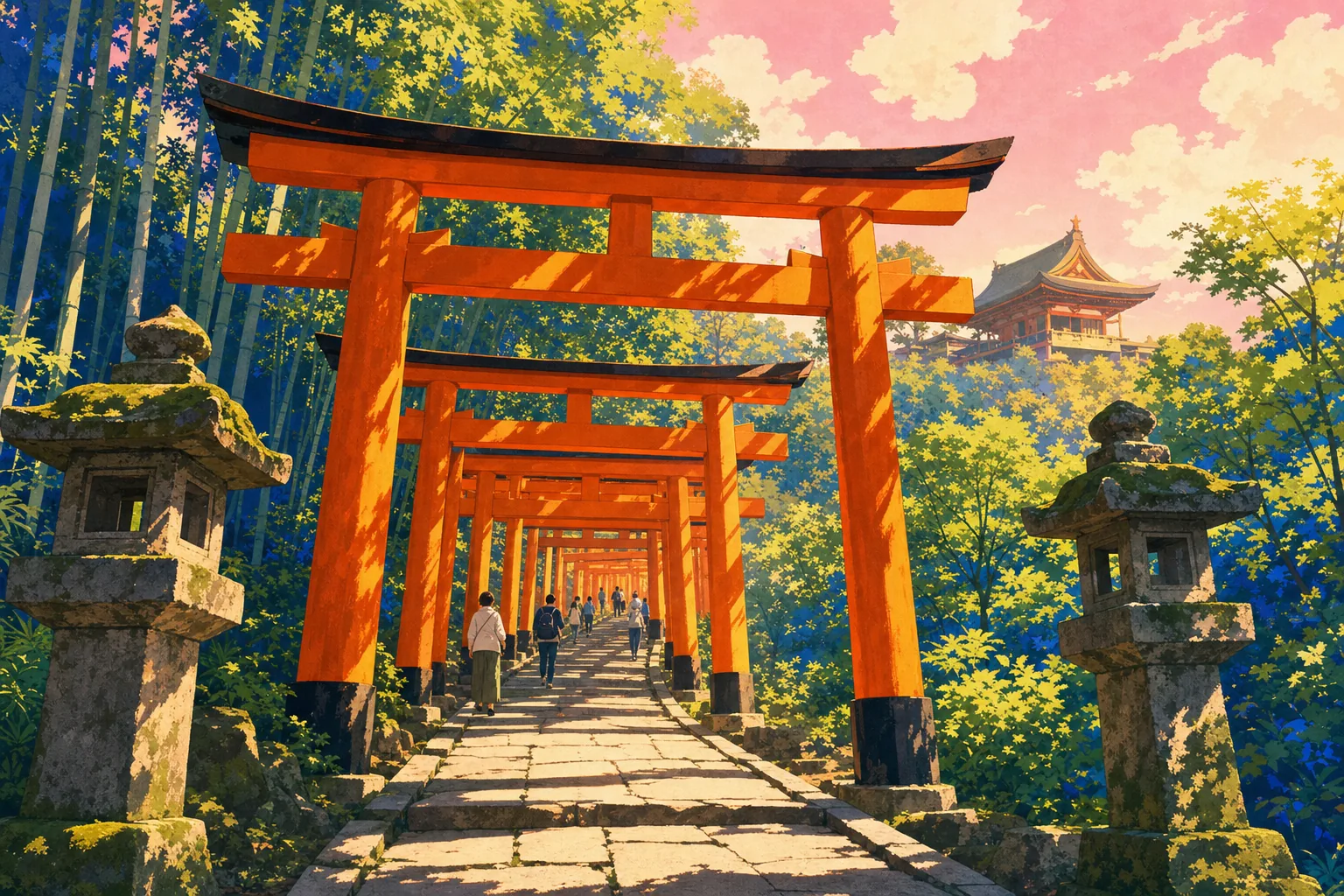
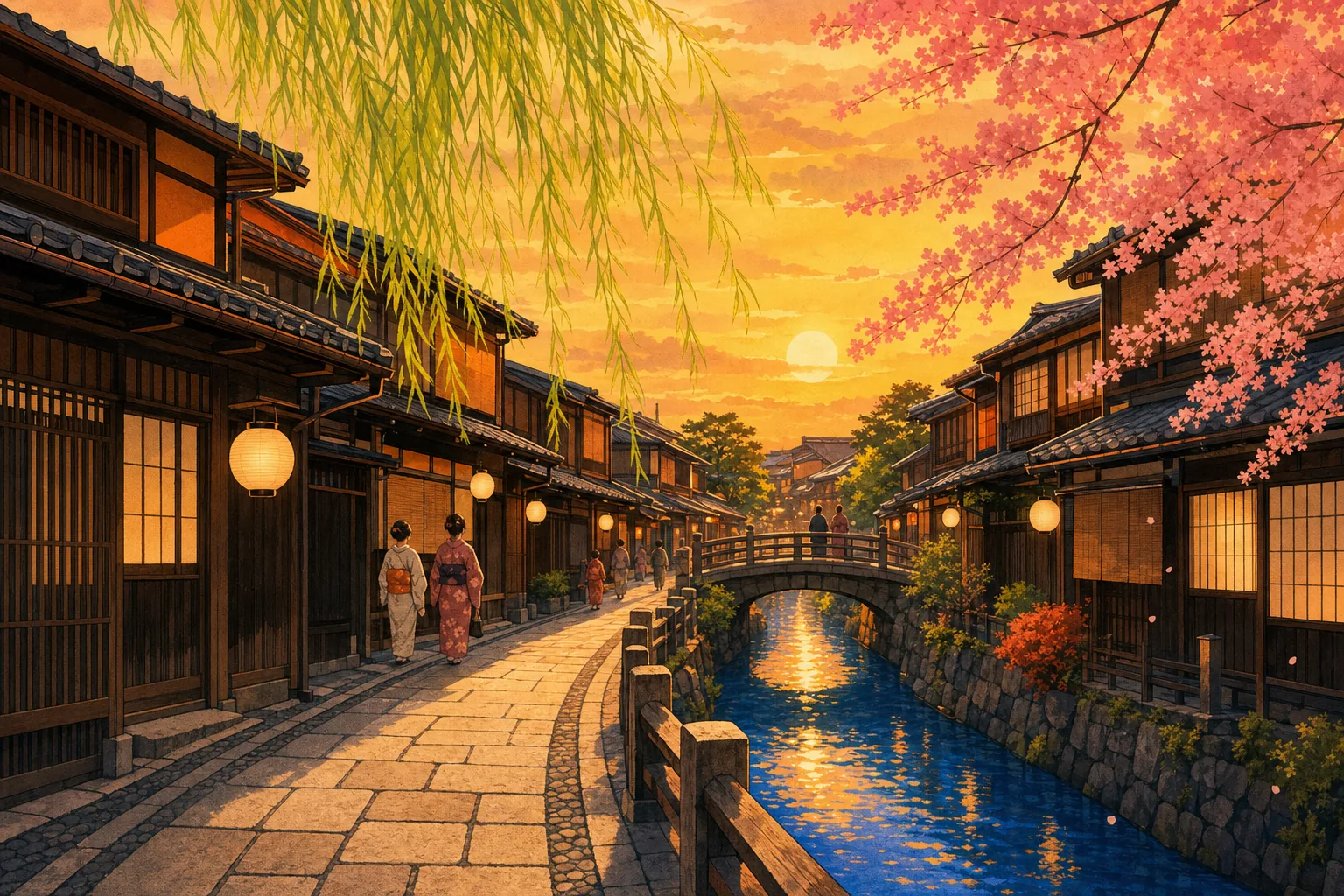
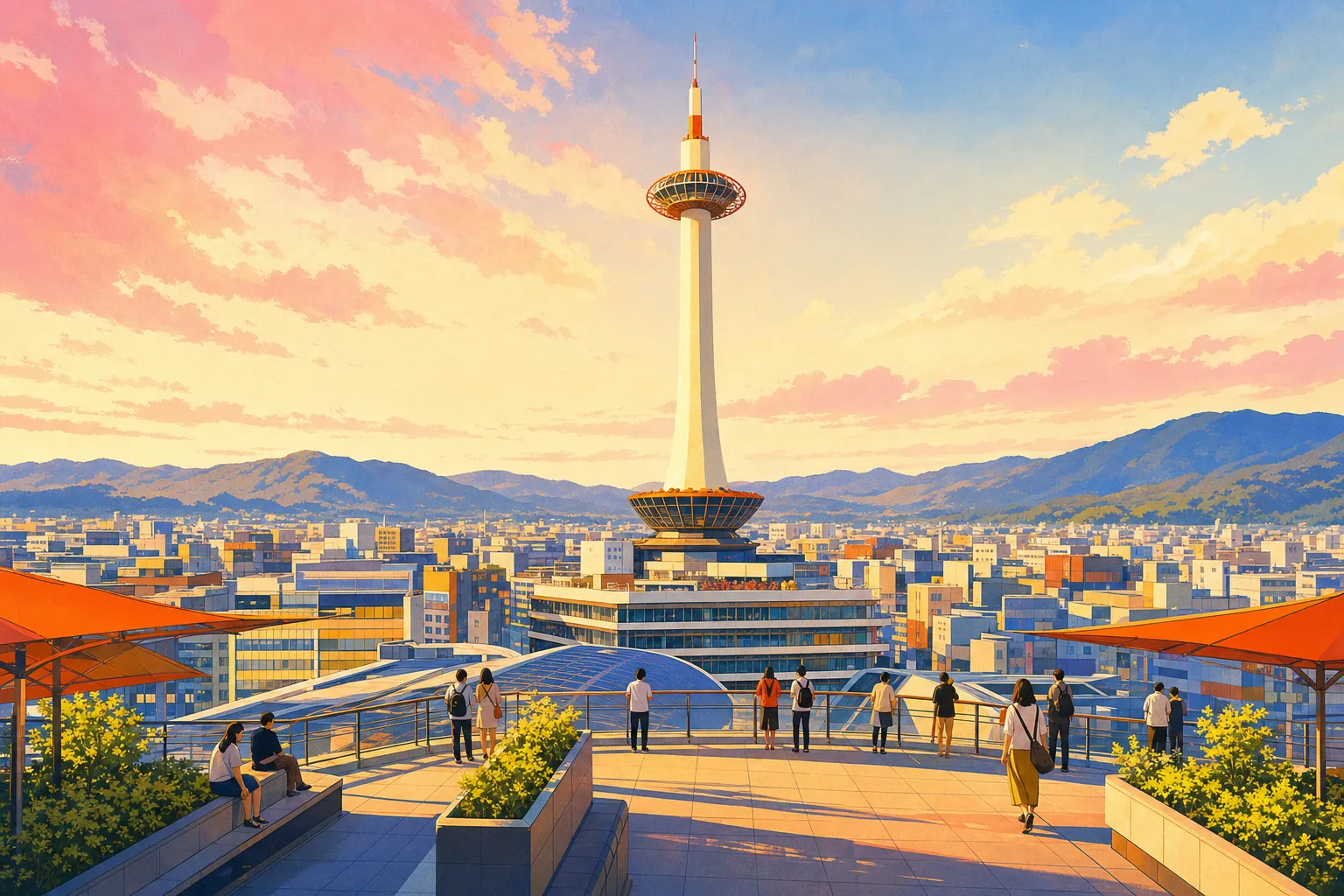
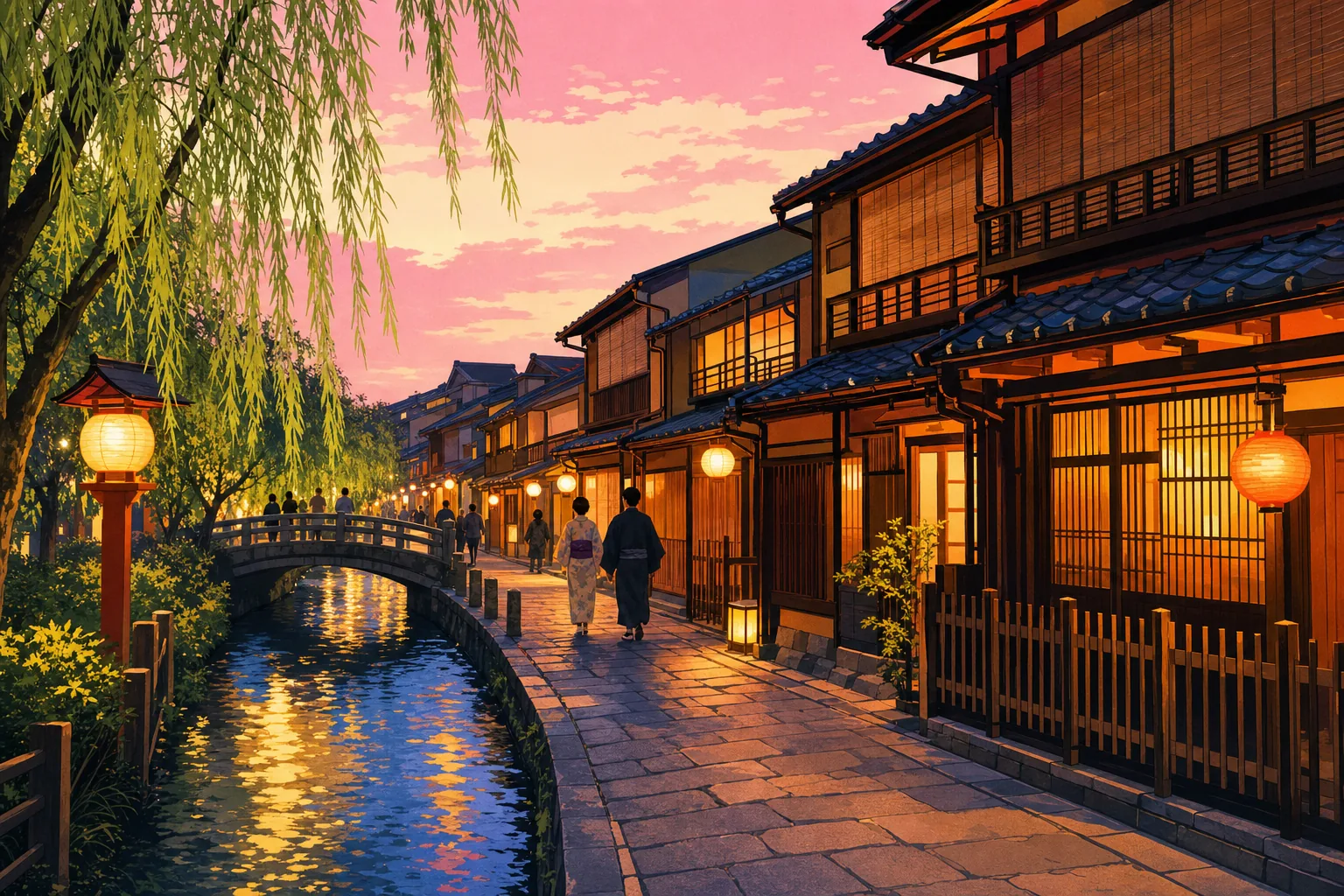
Gion or Higashiyama suits a first Kyoto stay best. They put you close to Yasaka Shrine, Kiyomizu-dera, and evening walks along Hanamikoji, while buses and taxis cover Arashiyama or Fushimi Inari Taisha. Kyoto’s time zone is 14 hours ahead of Eastern Time, so arriving with a simple first-night route helps after a long US flight.
Plan at least 3 full days in Kyoto. That matches Kyoto’s cultural score of 3 and lets you split Higashiyama temples, Arashiyama, and Fushimi Inari Taisha without rushing. With 90 visa-free days available for US visitors, you can add Nara’s Todai-ji, Osaka’s Dotonbori, or a slower morning at Nishiki Market.
Kyoto is generally straightforward, with Japan at advisory Level 1. English friendliness is medium, so major places like Kyoto Station, Kiyomizu-dera, and Fushimi Inari Taisha are easier than small side streets in Gion. Save Japanese addresses, carry cash for older shops, and expect clear transit signs on main JR and subway routes.
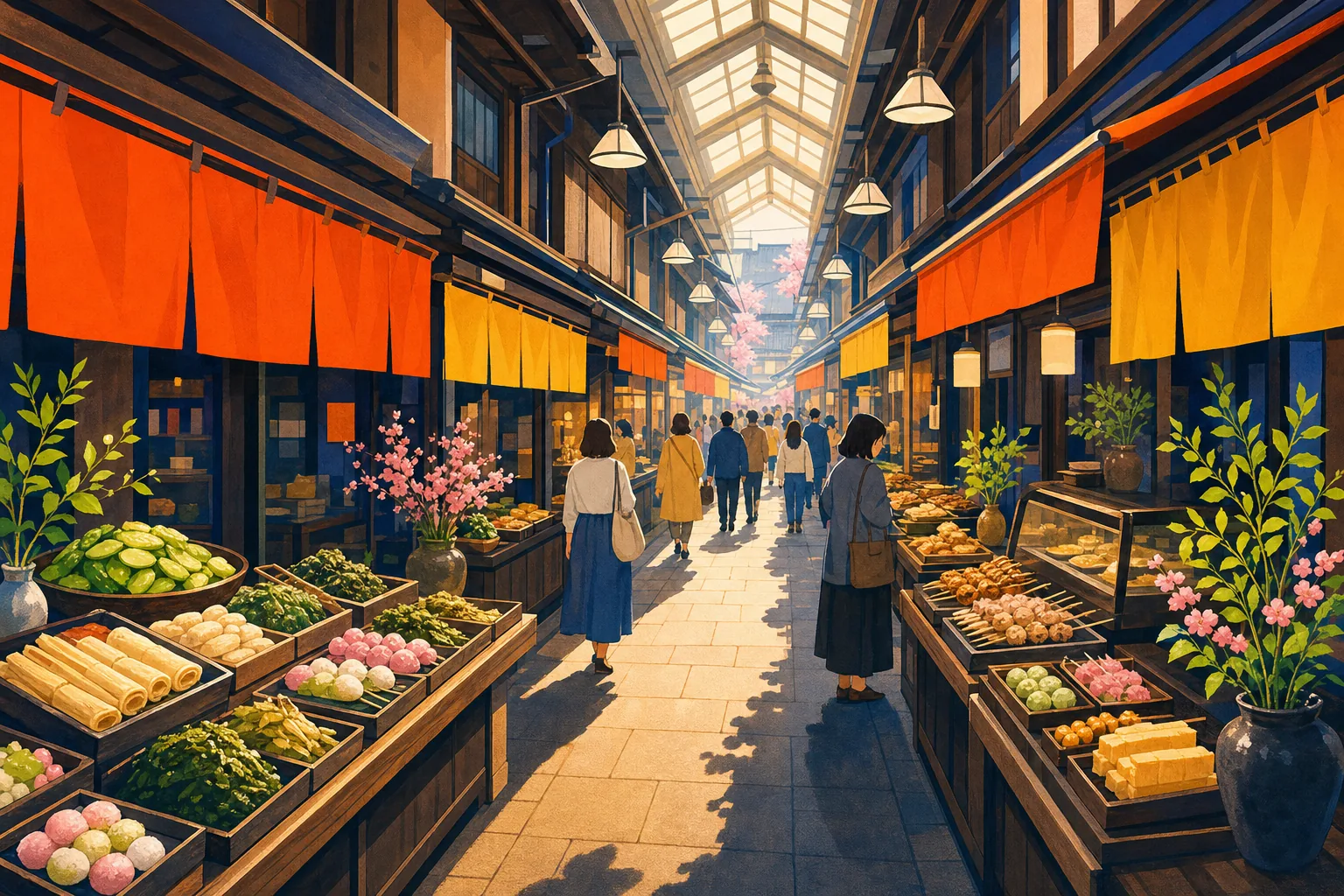
Nishiki Market is the easiest food starting point. Kyoto’s foodie score is 2, so the appeal is less about late-night excess and more about yuba, pickles, matcha sweets, and kaiseki traditions near Pontocho. In Apr or Nov, combine the market with Teramachi shopping or a Kamo River walk before dinner reservations.
Anyone can post a price. We publish a standardized, sourced, dated one. Affiliate commissions never change our editorial inclusion, rankings, or verdicts.
#1 principle
Same basket, every destination.
#2 principle
One source per figure, with a date.
#3 principle
Documented in public for anyone to check.
#4 principle
A commission never changes our editorial inclusion, rankings, or verdicts.