Japan

Tokyo

Tokyo pairs Asakusa, Shibuya, and Ginza with 90 days visa-free for US travelers; visit Apr–May or Oct–Nov for the easiest weather.
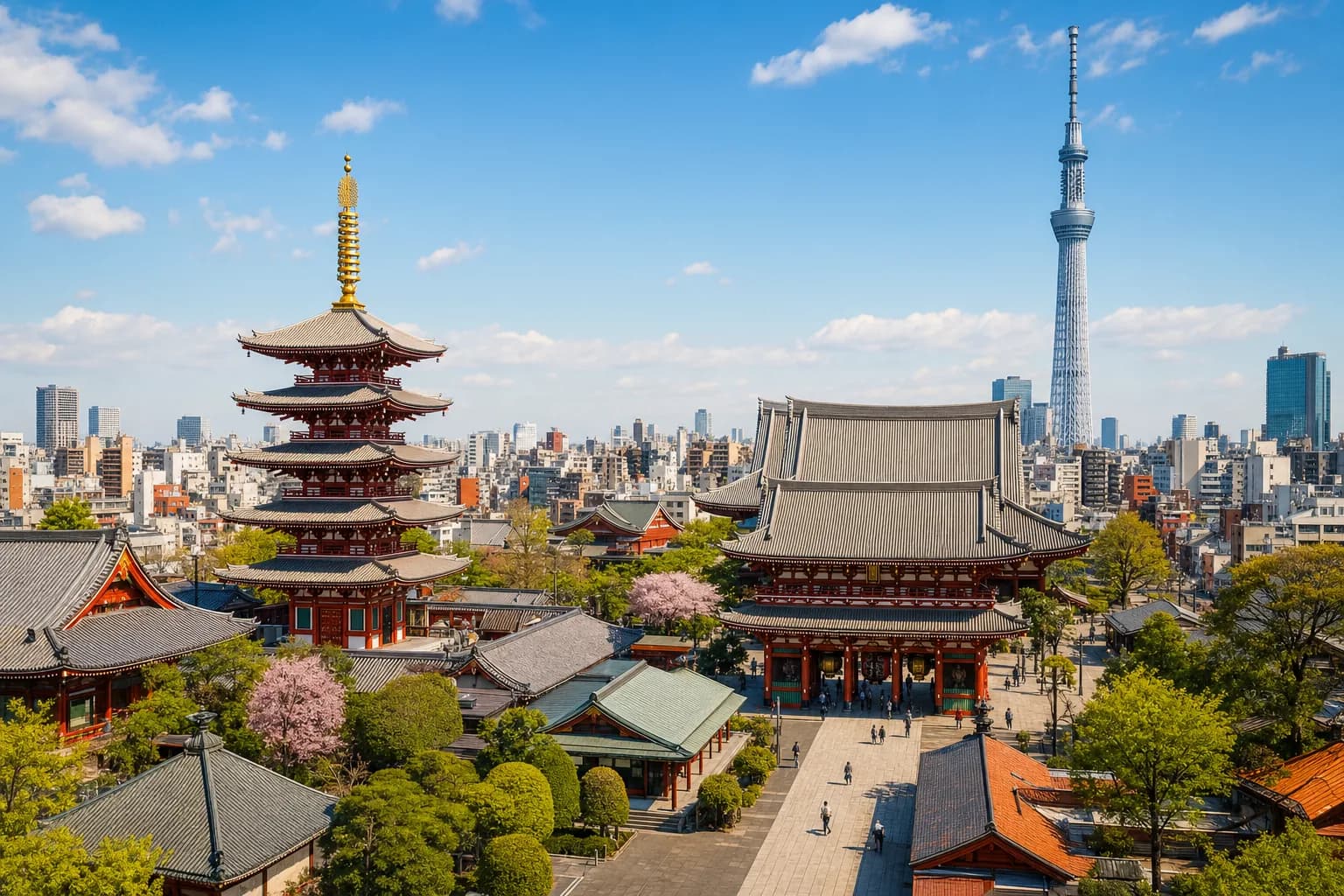
Tokyo travel hero photograph
Best window
Apr–May, Oct–Nov
ideal season
Visa
90 days
visa-free
Timing

When to go.

Live · you're in July
Best time
Apr–May, Oct–Nov

Tokyo is typically most comfortable in spring and autumn, with cherry blossoms and mild temperatures in late March to May and pleasant, less hot weather in October to November; these are described as main shoulder seasons for sightseeing.

Avoid
Jul–Sep

These months overlap with Tokyo’s hot, humid summer and the Pacific typhoon season; travel guides warn that summer crowds, heat, and storm risk make redemptions less comfortable and potentially more expensive.

At a glance

Why Tokyo.

Fast global access

Tokyo’s core is split between two major international airports: Haneda sits roughly 14 km south of Tokyo Station, while Narita is about 60 km to the east in Chiba Prefecture.

Things to do

Out on the water.

Neighborhoods
Beyond the resort

Don't miss.

  • Asakusa temple-and-backstreets walk
    ActivityDon't miss

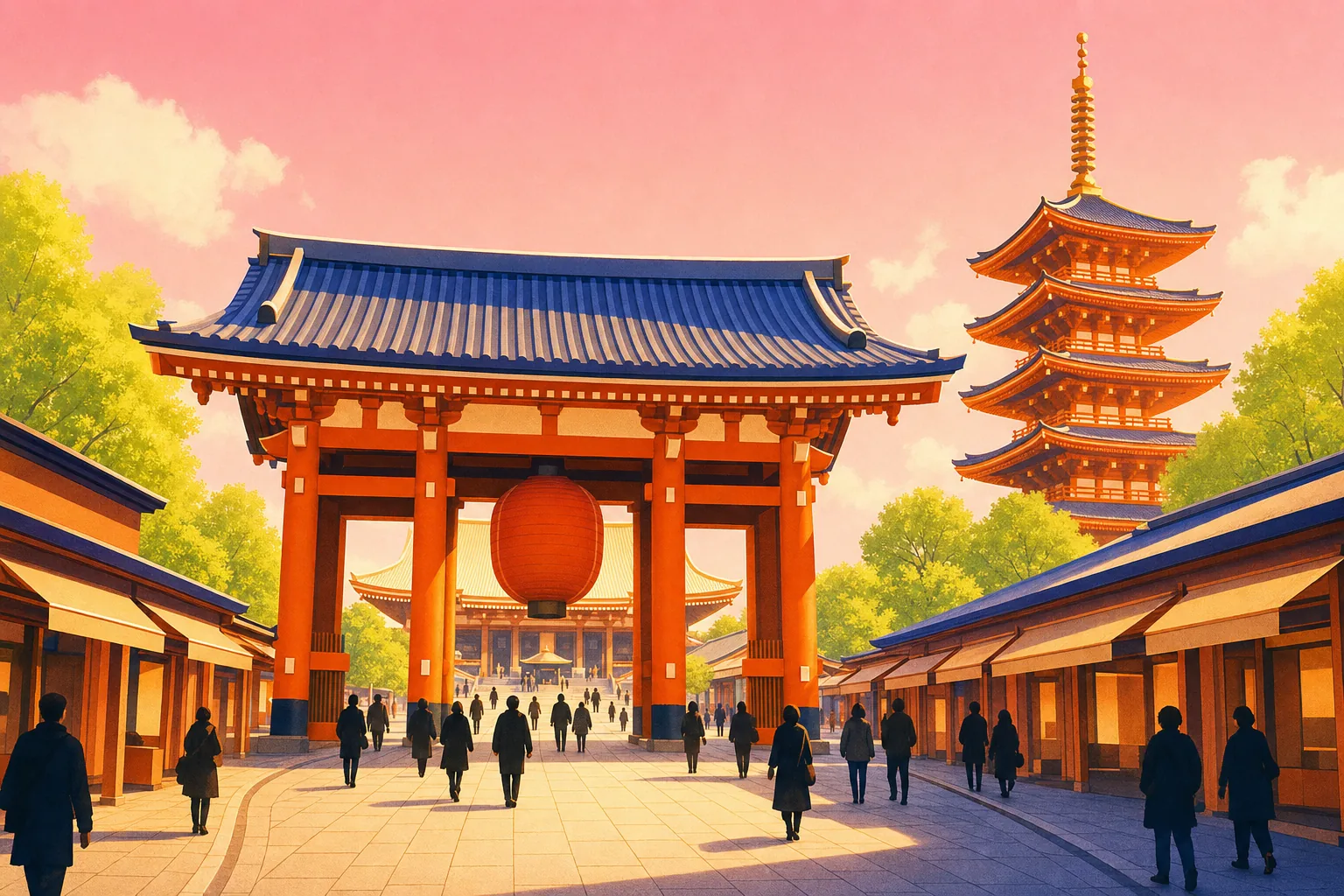
    Asakusa temple-and-backstreets walk

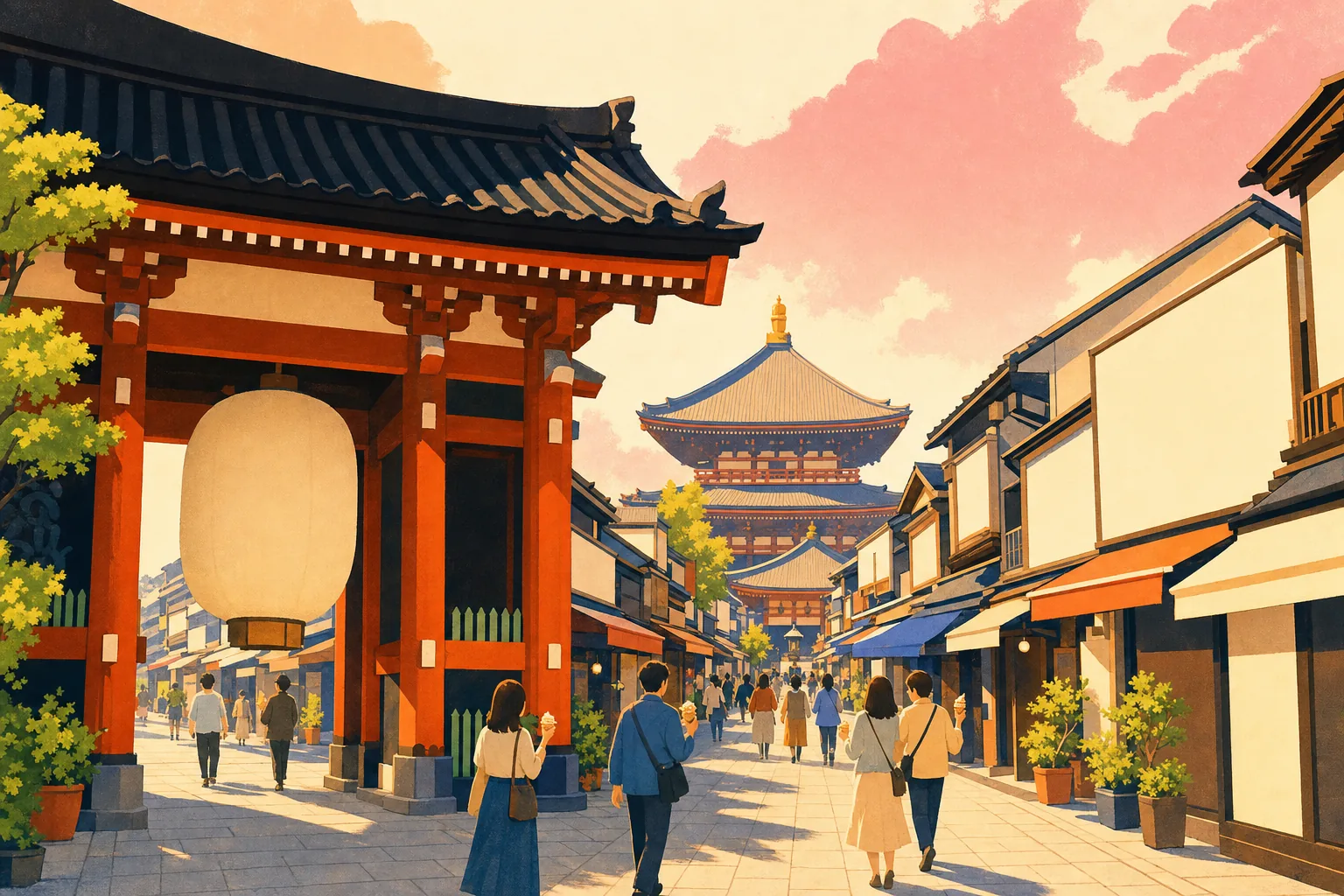
    Trace old Tokyo from Kaminarimon through Nakamise-dori to Sensō-ji, then side streets for snacks and retro shops.

    $Oct–May
  • Shinjuku after-dark crawl
    ActivityDon't miss

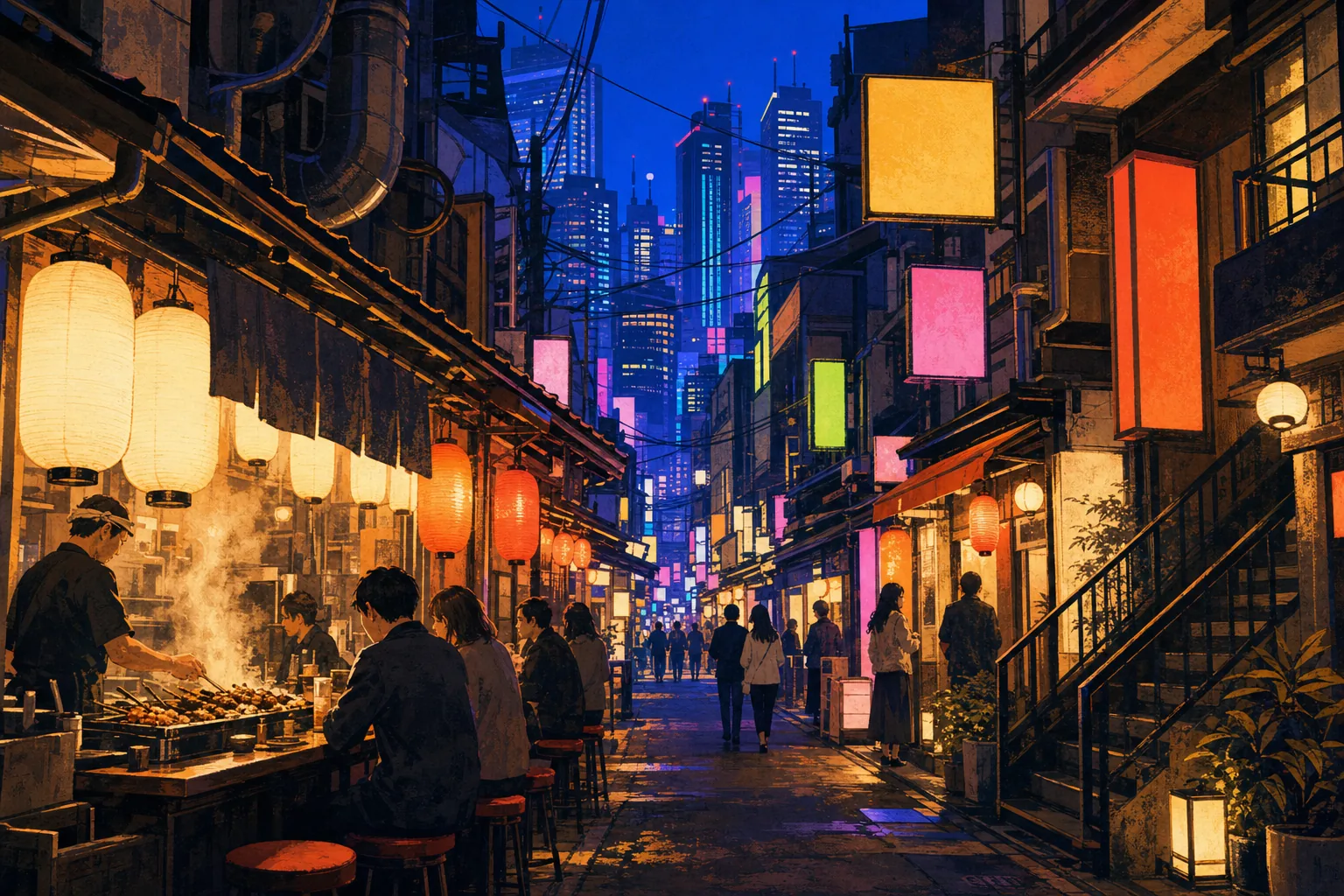
    Shinjuku after-dark crawl

    Move through Shinjuku neon, Omoide Yokocho’s tiny grills, and Golden Gai’s compact bars; go early for a seat.

    $$year-round
  • Imperial Palace East Gardens
    LandmarkDon't miss

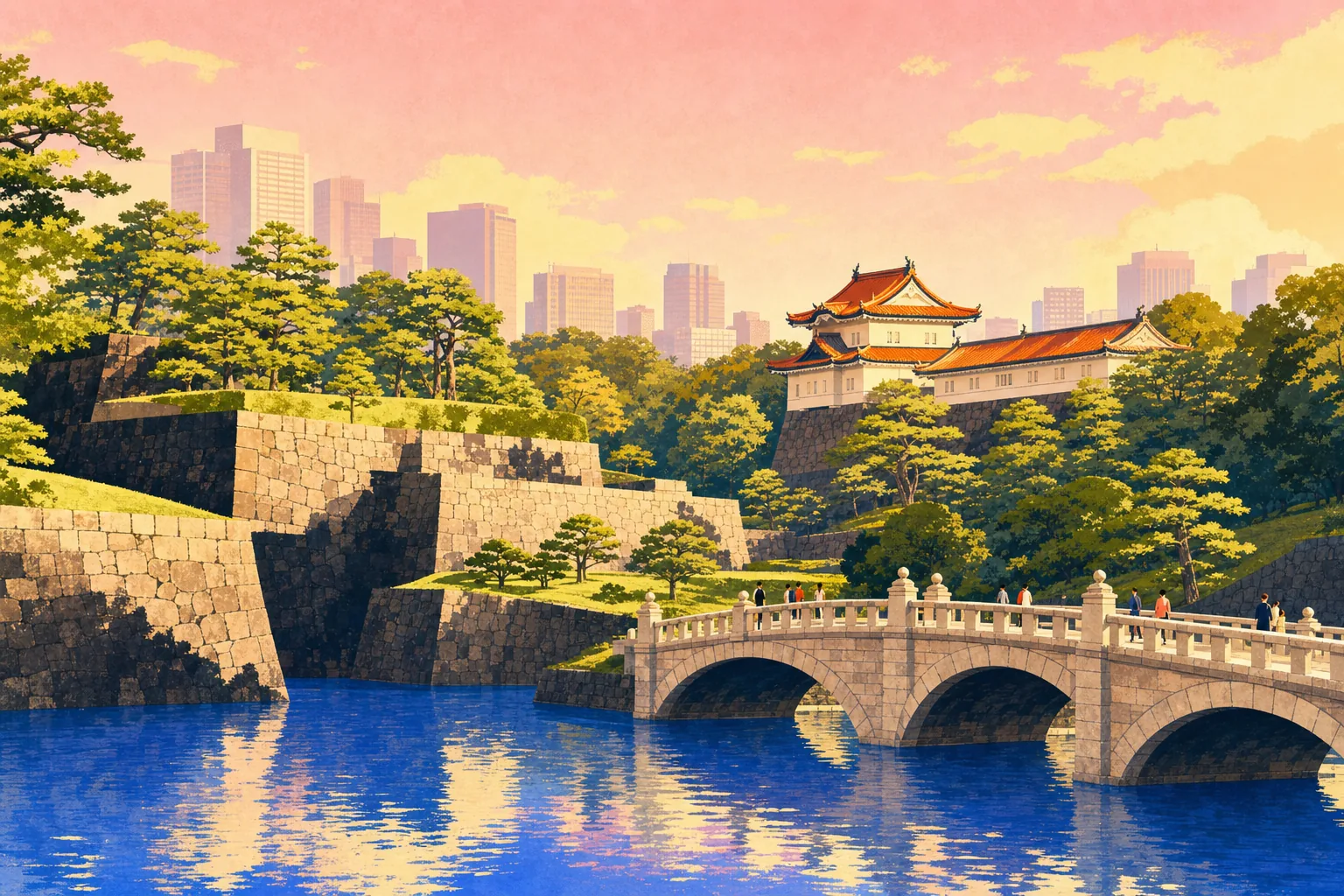
    Imperial Palace East Gardens

    Moats, stone walls, Nijubashi Bridge views, and East Gardens mark Edo Castle’s site and modern Tokyo’s ceremonial heart.

    Freeyear-round
  • Meiji Shrine
    LandmarkDon't miss

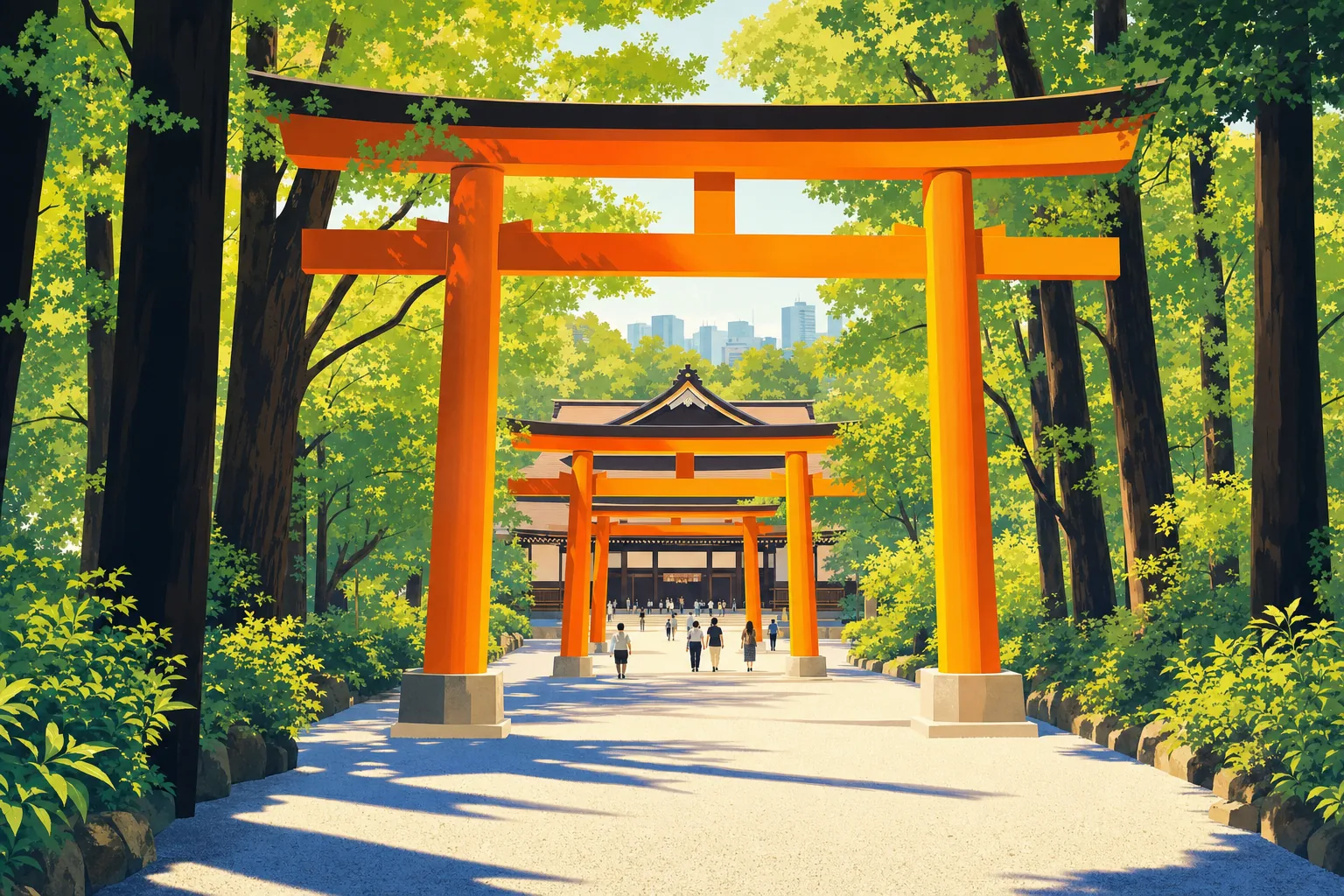
    Meiji Shrine

    Approached through a broad torii-lined forest path, Meiji Jingū contrasts sharply with nearby Takeshita Street.

    Freeyear-round
  • Sensō-ji Temple
    LandmarkDon't miss

    Sensō-ji Temple

    Tokyo’s oldest major temple complex centers on Sensō-ji, Kaminarimon Gate, the pagoda, and Nakamise-dori.

    Freeyear-round
  • Shibuya Scramble Crossing
    LandmarkDon't miss

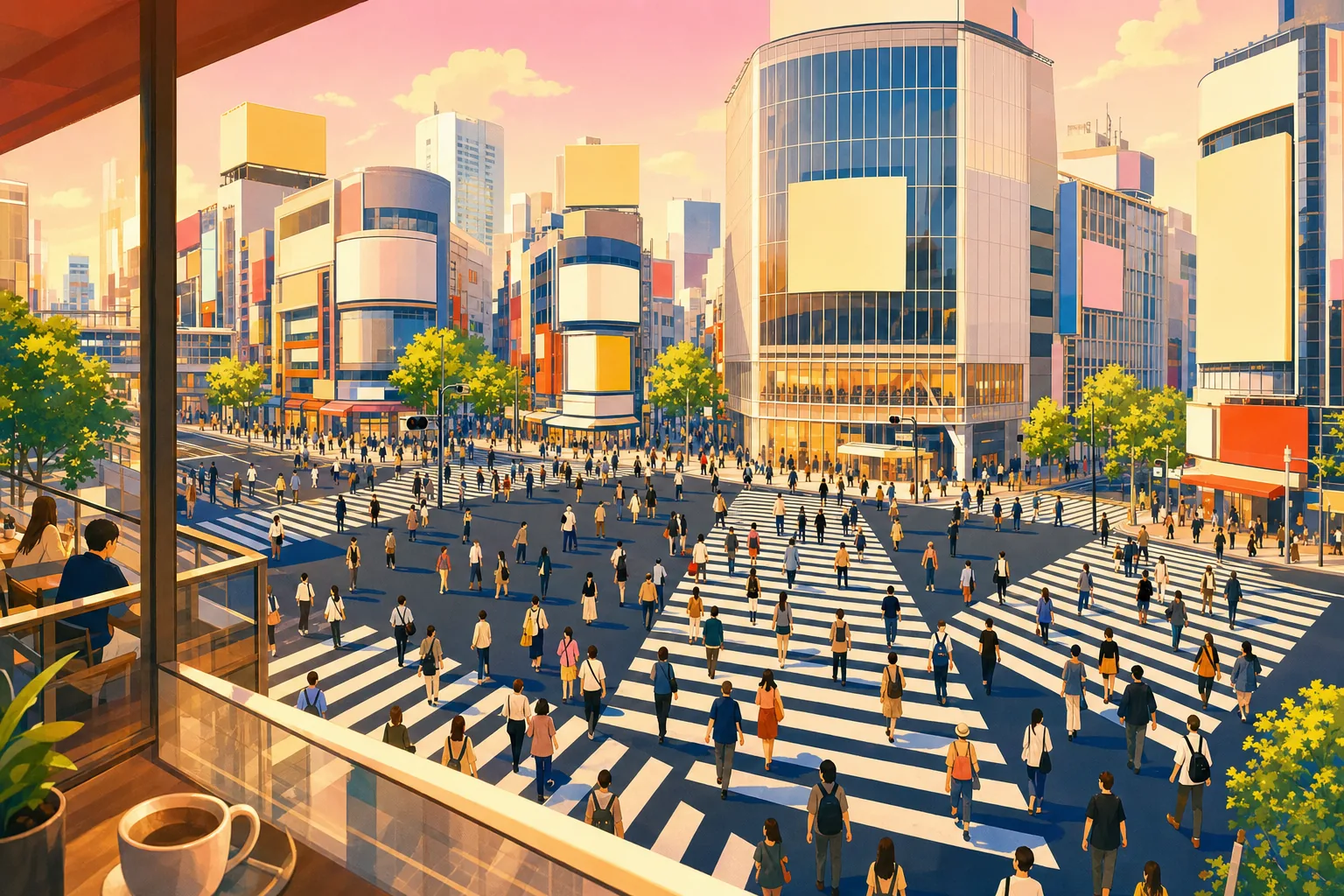
    Shibuya Scramble Crossing

    Shibuya Station’s multi-directional crossing is Tokyo’s famous pedestrian theater, viewed from cafés or decks.

    Freeyear-round
  • Tokyo Skytree
    LandmarkDon't miss

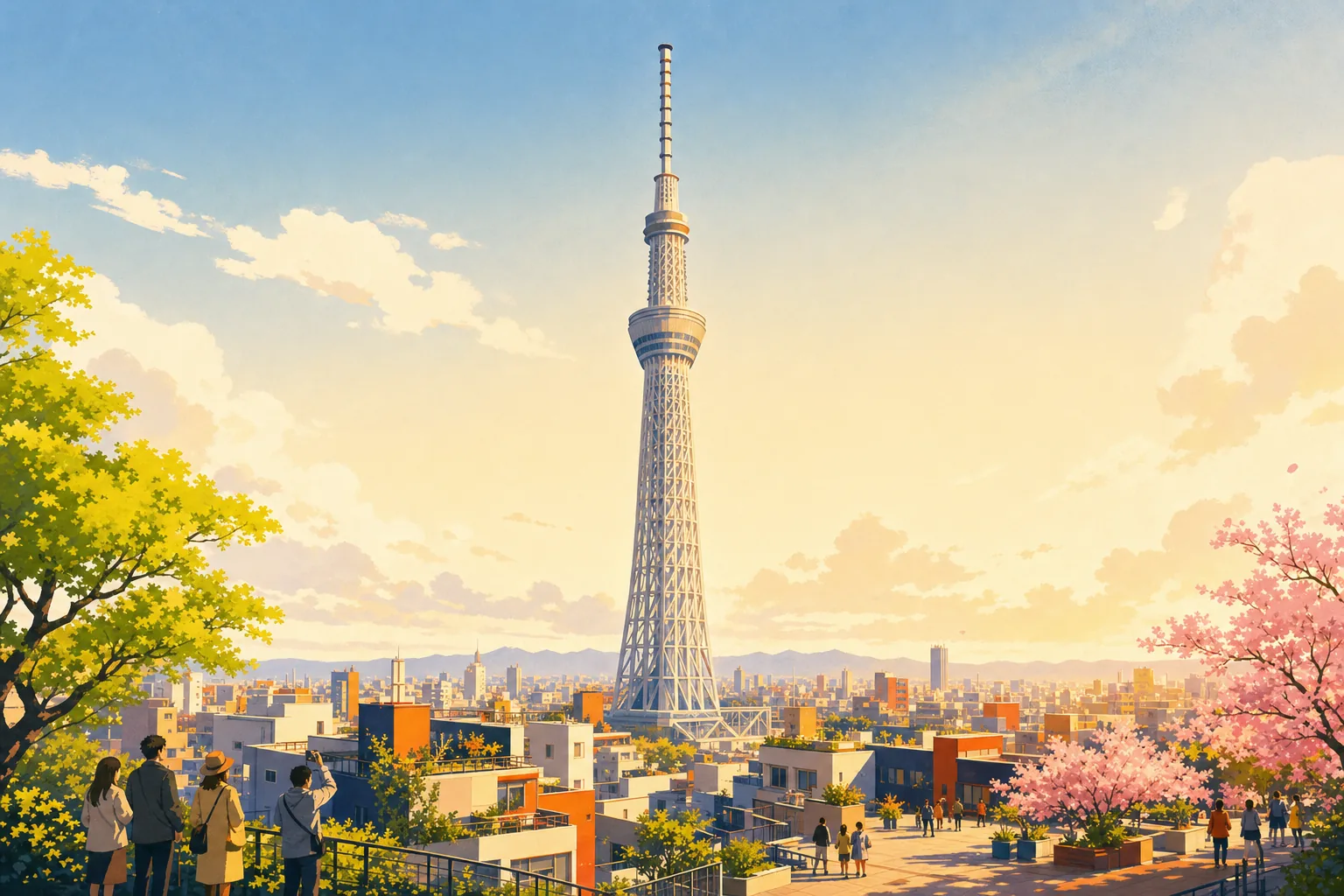
    Tokyo Skytree

    A 634-meter broadcasting tower with observation decks at 350 and 450 meters and sweeping Kanto Plain views.

    $$year-round
  • Tokyo Tower
    LandmarkDon't miss

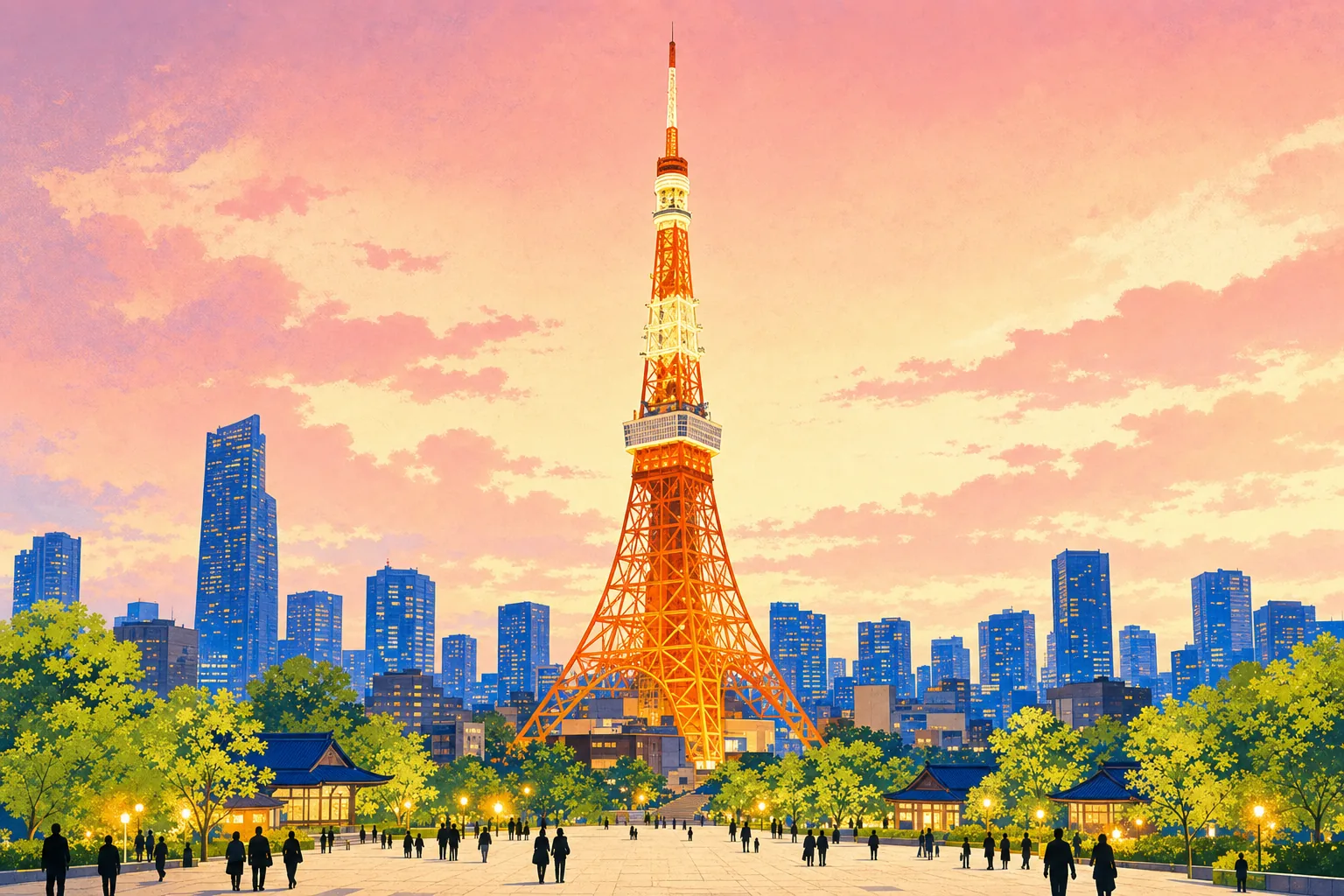
    Tokyo Tower

    The 333-meter orange-and-white tower is a beloved postwar icon, especially when lit at night.

    $$year-round
  • Ueno Park
    LandmarkDon't miss

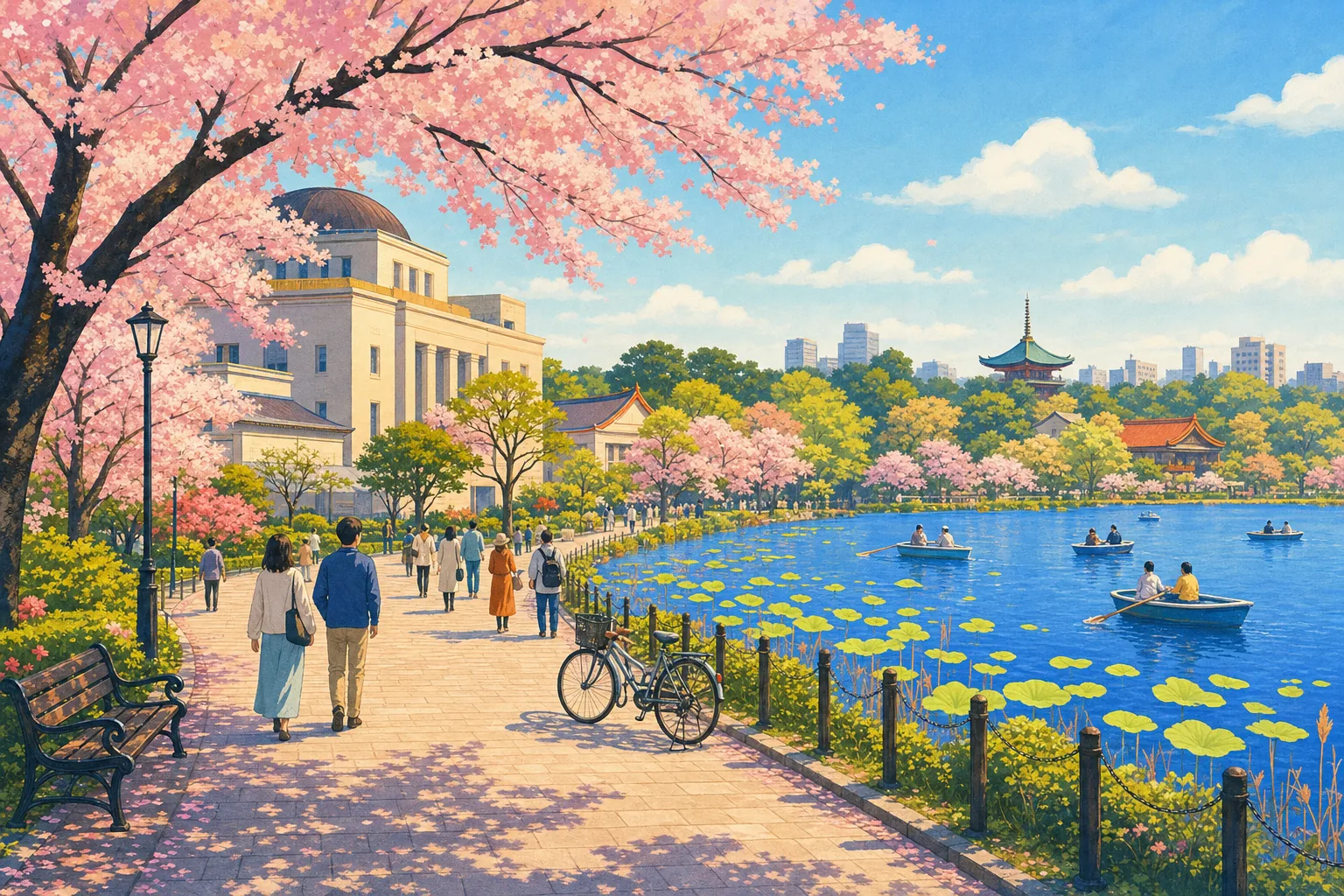
    Ueno Park

    Ueno Park concentrates major museums, Ueno Zoo, Shinobazu Pond, and cherry-blossom corridors.

    FreeMar–Apr
More to do
  • Daikanyama, Nakameguro, and Ebisu design stroll
    Activity

    Daikanyama, Nakameguro, and Ebisu design stroll

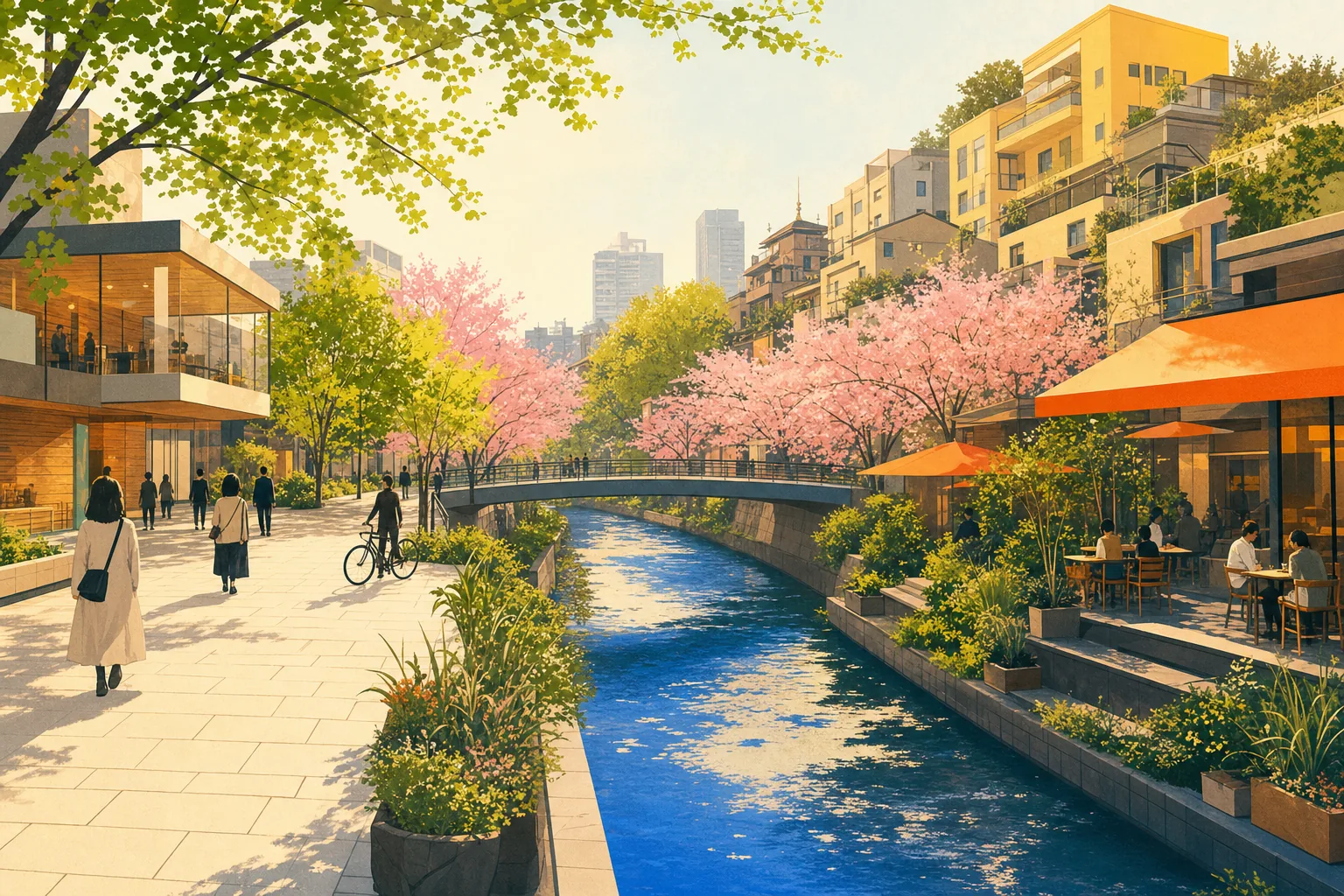
    Explore Daikanyama T-Site, Meguro River paths, and Ebisu cafés on a quieter design-and-lifestyle circuit.

    $Apr–May, Oct–Nov
  • Toyosu and Tokyo Bay art day
    Activity

    Toyosu and Tokyo Bay art day

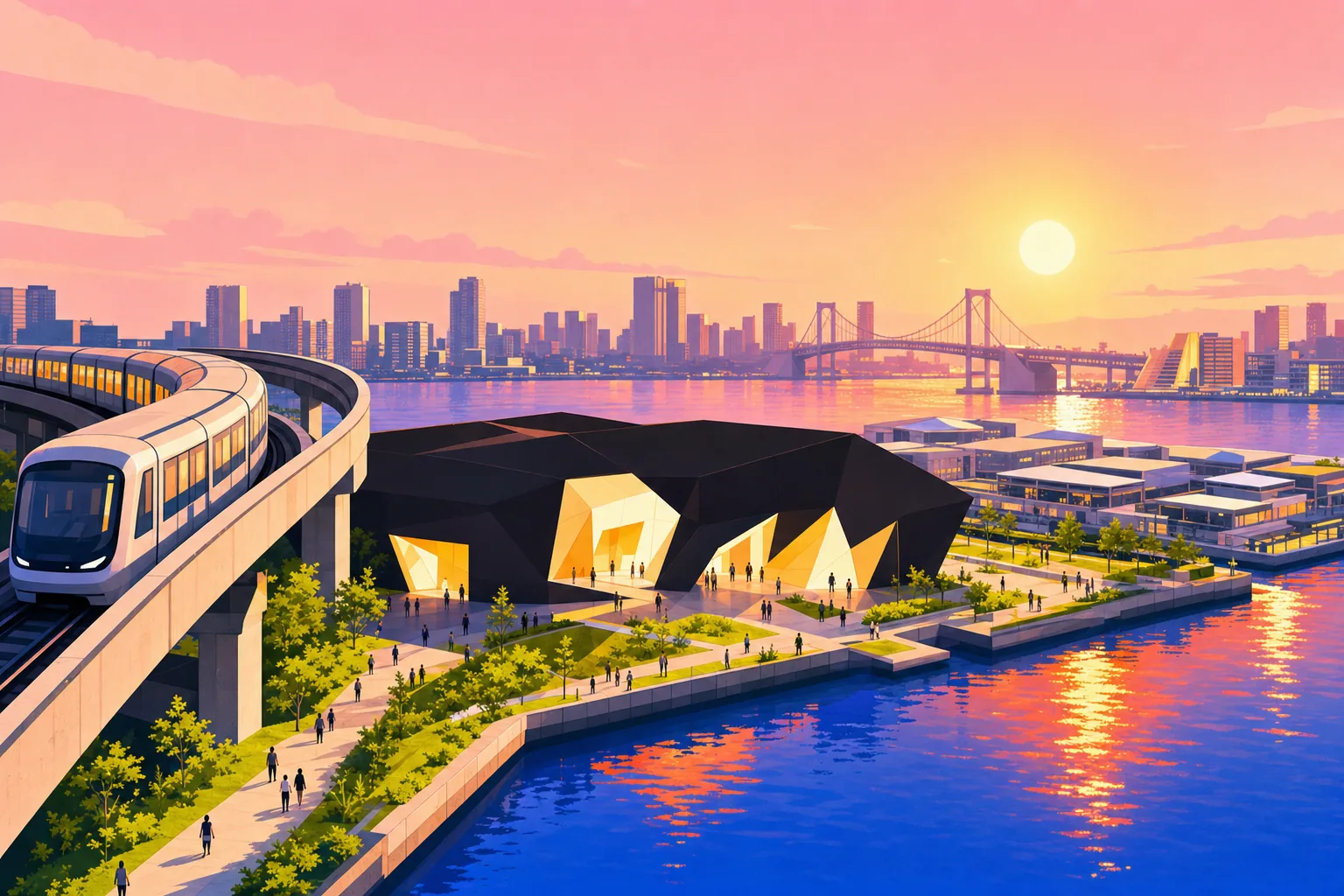
    Ride the Yurikamome to teamLab Planets, then Toyosu Market or Odaiba for skyline views toward Rainbow Bridge.

    $$Nov–Mar
  • Tsukiji Outer Market grazing
    Activity

    Tsukiji Outer Market grazing

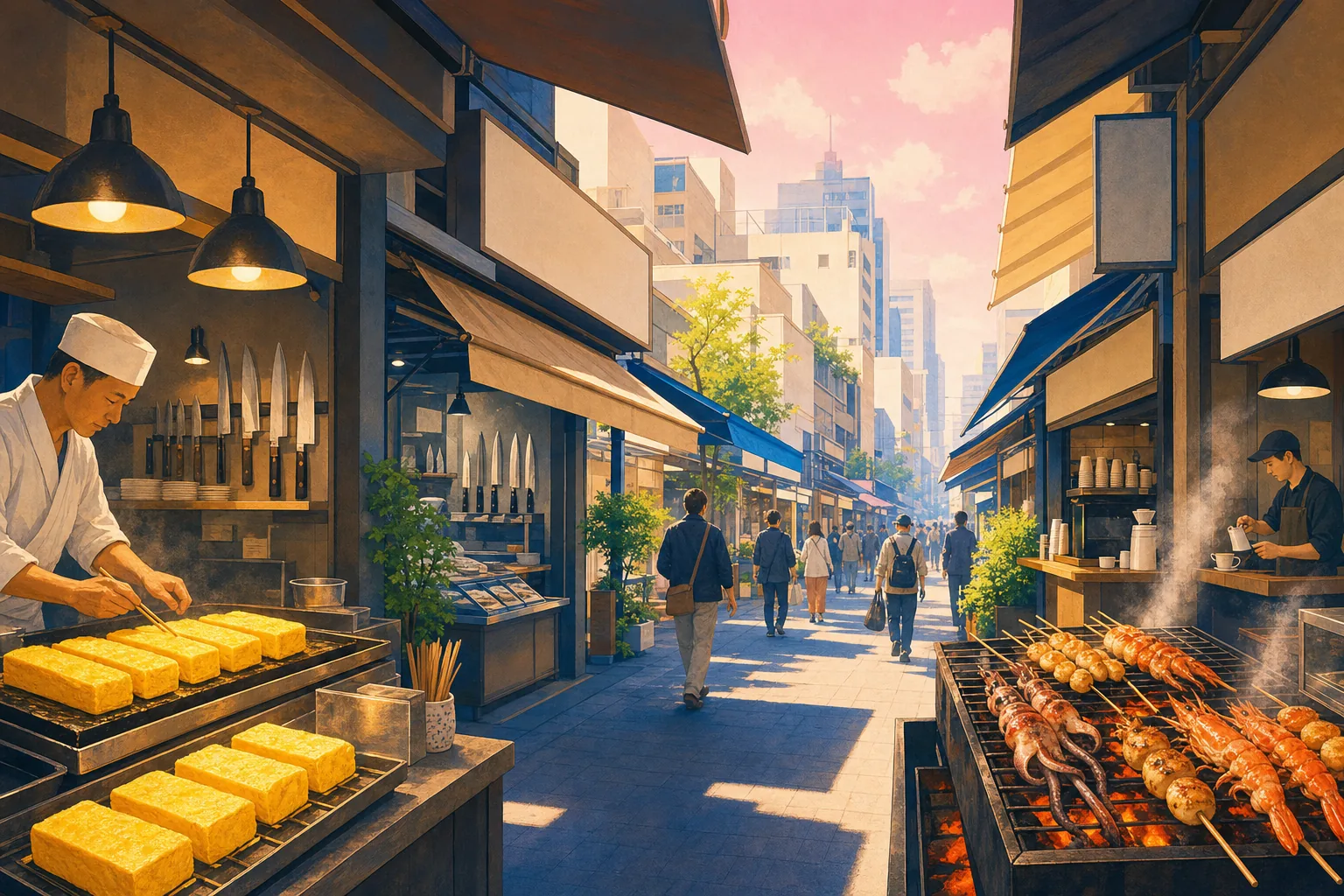
    Taste Tsukiji Outer Market with tamagoyaki, grilled seafood, knife shops, and coffee counters before the lunch crush.

    $$year-round
  • Ueno museums and market lanes
    Activity

    Ueno museums and market lanes

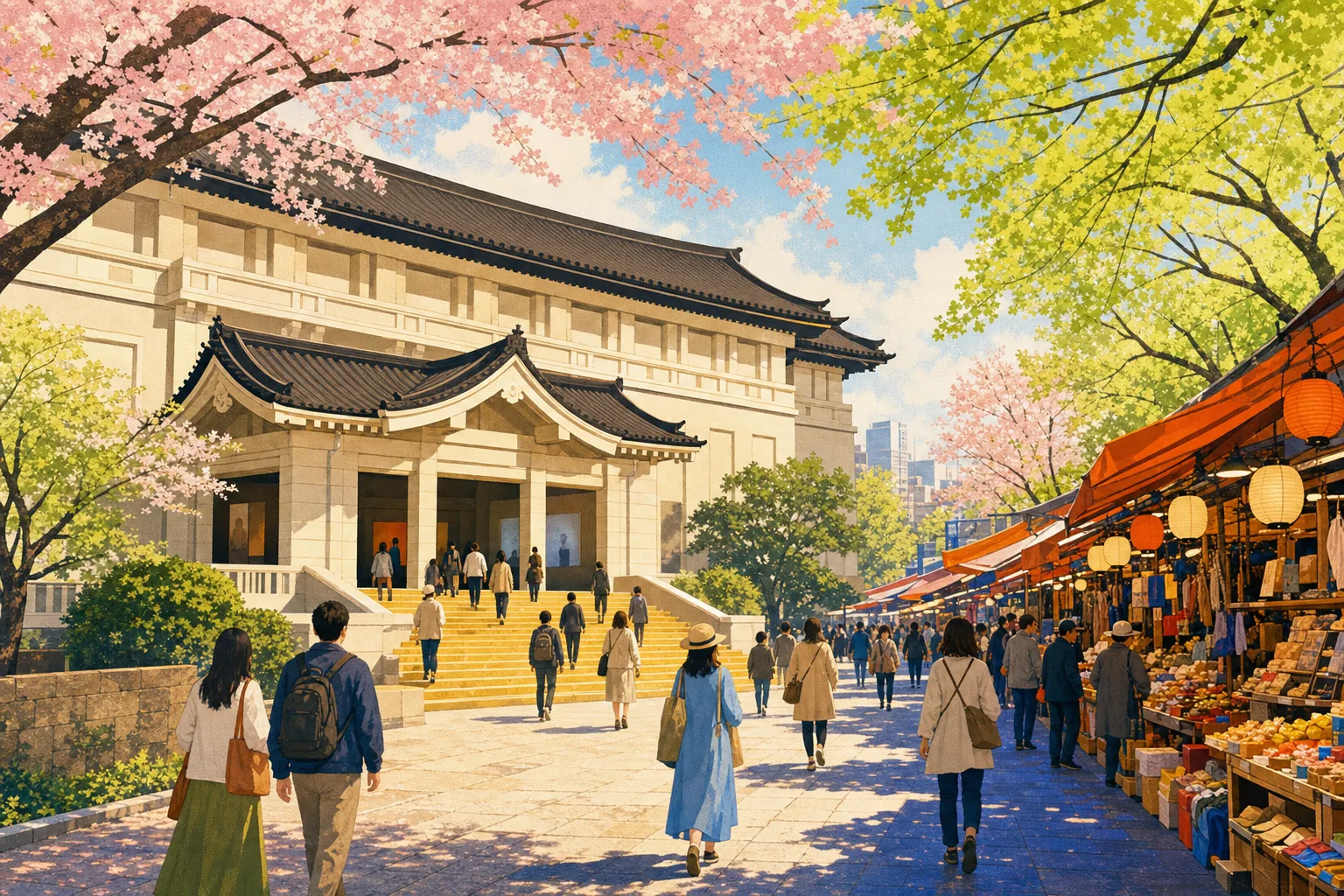
    Pair Tokyo National Museum’s Japanese Gallery with Ameya-Yokochō lanes and spring cherry-blossom avenues.

    $$Mar–Apr, Oct–Nov
Verified Jul 1
Book experiences

Tours & activities in Tokyo.

Tours and activities via Viator. Prices shown are live from Viator at page load. We may earn a commission if you book. Hotel-booking commission policy unchanged.

Pay with points

Cards that get you to Tokyo.

The stays above run on hotel points. These cards reach each program: co-brands earn directly, bank cards transfer in at the ratios and transfer times shown.

Hilton Honors
Marriott Bonvoy
World of Hyatt
Traveler fit

Who Tokyo is for.

Built for a luxury & foodie trip. Come for beach or adventure and you're on the wrong trip.

luxuryaspirationallocal vibefoodiebeachculturalnightlifeadventurefamilycity break
luxury
3 / 3
aspirational
2 / 3
local-vibe
2 / 3
foodie
3 / 3
beach
0 / 3
cultural
1 / 3
nightlife
2 / 3
adventure
1 / 3
family
2 / 3
city-break
2 / 3
Hover the chart or a trait
Built for
luxury3/3foodie3/3
Also great for
aspirational2/3local vibe2/3nightlife2/3family2/3city break2/3
Not the place for
cultural 1/3adventure 1/3beach 0/3
Click a trait to see matching things to do
Getting there & around

The last mile is a boat.

Gateway
Tokyo Haneda Airport (HND)

Haneda is Tokyo’s closest major international airport and the primary city gateway; Narita International Airport (NRT) remains a major long-haul and regional alternative east of the city. // flight times vary by origin, set your passport below for yours.

  • Tokyo Monorail from Haneda
    ¥500–¥700per adult
    13–25 min to central interchangeFastest budget transfer from Haneda to Hamamatsuchō and the JR Yamanote Line

    Frequent trains link all Haneda terminals with Hamamatsuchō, where travelers can connect to the JR network.

  • Keikyu Line from Haneda
    ¥330–¥700per adult
    15–35 min depending on destinationDirect rail access from Haneda to Shinagawa, Ginza-line connections, and through-services toward Asakusa

    Useful for Shinagawa hotels, Shinkansen connections, and east-side districts via Toei Asakusa Line through-running.

  • Airport limousine bus from Haneda
    ¥1,000–¥1,500per adult
    30–70 min depending on traffic and stopLuggage-heavy arrivals, families, and direct hotel-zone access

    Services run to major hotel districts and terminals such as Shinjuku, Tokyo Station, Shibuya, and Tokyo City Air Terminal, with traffic the main variable.

  • Taxi or private car from Haneda
    ¥7,000–¥12,000+per vehicle
    25–60 min depending on trafficDoor-to-door convenience from Haneda late at night or with bulky bags

    Most practical for late arrivals, groups, or stays away from major rail nodes; confirm flat-fare options where available.

  • Narita Express from Narita
    ¥3,000–¥3,500per adult
    55–90 min depending on stopFast airport rail from Narita to Tokyo Station, Shinagawa, Shibuya, and Shinjuku

    Reserved-seat JR service is the simplest rail option for many west-side and central Tokyo destinations.

  • Keisei Skyliner from Narita
    ¥2,500–¥3,000per adult
    36–45 min to Nippori or UenoQuickest rail route from Narita to Ueno and Nippori

    Best for Ueno, Asakusa connections, and JR Yamanote Line transfers at Nippori.

  • Low-cost airport bus from Narita
    ¥1,300–¥2,000per adult
    60–100 min depending on stop and trafficLowest-cost airport access between Narita and central Tokyo

    Buses typically serve Tokyo Station, Ginza, and other central stops; allow extra time during peak road periods.

  • Taxi or private car from Narita
    ¥20,000–¥35,000+per vehicle
    60–120 min depending on trafficLate arrivals or small groups traveling directly from Narita to a hotel

    Convenient but costly because Narita is far east of Tokyo in Chiba Prefecture; pre-booked transfers can simplify arrivals.

Verified Jul 1haneda.com
Before you book

Good to know.

Entry for US travelers
Visa-free
Visa-free
90 days on arrival · free

Entry shown for US passport holders. Allowed stay: 90 days.

What you'll need
  • Valid U.S. passport, valid for the entire duration of stay in Japan
  • Purpose of visit limited to tourism or short-term business for up to 90 days, with no employment on the local economy
  • Proof of return or onward ticket is recommended and may be requested by immigration officers
  • Ability to show proof of sufficient funds to cover the stay if requested by immigration officers
  • Complete an immigration Disembarkation Card on arrival, either physically on the plane or at the airport, or digitally via Visit Japan Web/Japan Web
  • Complete a Customs Declaration form on arrival, either on paper or digitally via Visit Japan Web/Japan Web to generate a customs QR code
  • Submit to fingerprinting and photographing at immigration on arrival, except for exempt categories such as diplomatic visa holders and certain minors
  • Comply with Japanese immigration and customs regulations; visitors cannot change to another visa type such as work, study, or spouse while in Japan and must leave and re-enter with the correct visa if needed
Verified Jul 15Official source
+14h
from US Eastern
Time vs ET
Level 1
US State Dept.
Advisory

Standard night, Tokyo

$182/ standard night · USD
~Low-sample· June 1, 2026Lower half
As of June 2026See methodology →
Overview

About Tokyo.

Tokyo is best approached neighborhood by neighborhood: Asakusa for Senso-ji, Harajuku for Meiji Jingu, Ginza for dining, and Shinjuku for late trains and Golden Gai. US travelers can visit visa-free for up to 90 days, which makes the city a strong launch point for Nikko, Hakone, or Kyoto add-ons. The verified season windows favor Apr–May and Oct–Nov, while Jul–Sep brings heat, humidity, and typhoon risk. With foodie and luxury persona scores of 3, Tokyo especially suits travelers who want precise meals, polished service, and dense city exploring rather than beach time.

Questions

Tokyo FAQs.

The things people actually ask before booking, answered with real numbers, kept current.

April–May and October–November are the best Tokyo windows. In these periods, Ueno Park, Chidorigafuchi, and Meiji Jingu are easier to enjoy without July–September heat and typhoon risk. US citizens can enter visa-free for up to 90 days, so you can combine Tokyo neighborhoods like Asakusa and Shibuya with day trips to Nikko or Hakone.

Shinjuku is the easiest first Tokyo base for many visitors. It puts you near Shinjuku Station, the Tokyo Metropolitan Government Building, Omoide Yokocho, and quick rail links to Asakusa’s Senso-ji. Because Tokyo is 14 hours ahead of Eastern Time, staying near a major station helps when jet lag makes early breakfasts, late returns, or flexible sightseeing more important.

Tokyo is strongest for food-focused travelers in this data. Its foodie score is 3, and you can build days around Tsukiji Outer Market, Toyosu Market seafood, depachika food halls, and ramen lanes around Tokyo Station. Spring and autumn, especially Apr–May and Oct–Nov, make walking between Ginza, Nihonbashi, and Yurakucho dining stops much more comfortable.

July–September is the least comfortable Tokyo period. Even with a safety advisory level of 1, those months overlap with hot, humid weather and Pacific typhoon season, which can make Shibuya Crossing, Ueno Park, and the Sumida River feel draining. If you travel then, keep indoor backups such as teamLab Planets, Tokyo National Museum, or department-store food halls near Ginza.

Tokyo works well for families who plan transit carefully. The family score is 2, but neighborhoods such as Ueno, Odaiba, and Marunouchi offer parks, museums, waterfront walks, and station access without relying on taxis. The safety advisory level is 1, and US visitors get 90 days visa-free, making slower multi-neighborhood stays practical.

Nightlife is lively, but Tokyo rewards focused neighborhood choices. The nightlife score is 2, so expect strong pockets rather than one simple party district: Shinjuku’s Golden Gai, Shibuya’s Nonbei Yokocho, and Shimokitazawa bars all feel different. With a 90-day visa-free allowance, you can sample late evenings gradually instead of packing every area into one night.

Start by grouping Tokyo sights by rail corridor. Pair Asakusa’s Senso-ji with the Sumida River, keep Harajuku’s Meiji Jingu with Omotesando, and save Marunouchi or Ginza for a calmer evening. US travelers can stay visa-free for 90 days, so first-timers do not need to force Nikko, Hakone, Kamakura, and Yokohama into a rushed sequence.

How we know

Sources & citations.

53 primary sources, kept fresh

Why you can trust this index.

Anyone can post a price. We publish a standardized, sourced, dated one, and we take no commission on your hotel bookings.

#1 principle

Standardized

Same basket, every destination.

#2 principle

Sourced

One source per figure, with a date.

#3 principle

Public methodology

Documented, and checked on a schedule.

#4 principle

No booking commission

We don't earn from your hotel booking.